
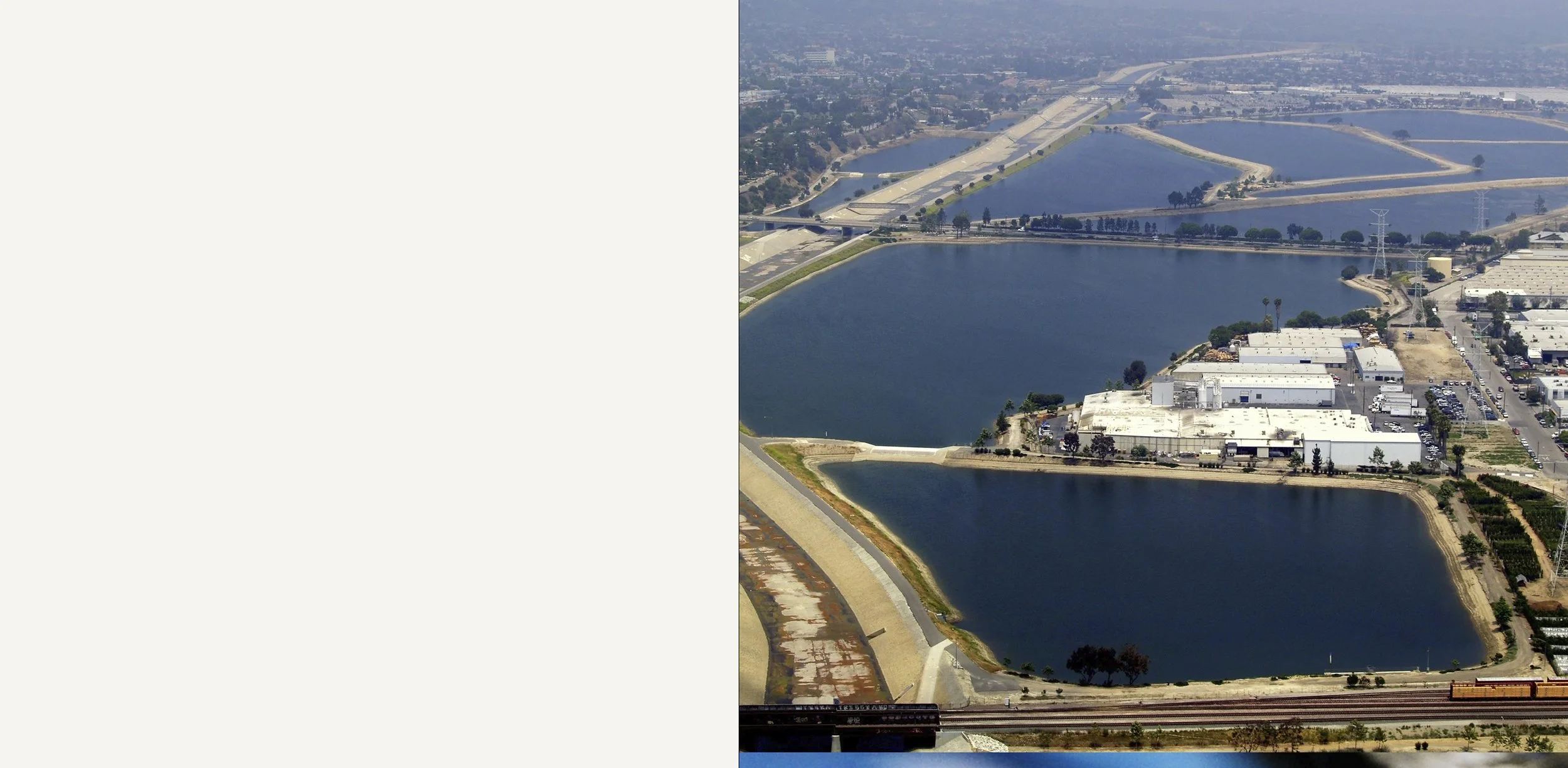
GROUNDWATER REMEDIATION

Overview
Groundwater already plays a critical role in Los Angeles’ water system, supplying nearly half of the drinking water for about 4 million people in Southern LA County. But contamination and aging infrastructure have limited how much of this supply we can safely use, leaving wells offline and communities without access to clean, reliable water.
We work to restore and protect these basins by advancing groundwater cleanup, expanding recharge, and strengthening long-term management. Efforts like the Water Replenishment District’s Water Independence Now program have shifted basin replenishment to 100% local sources, while new projects aim to clean up contaminated groundwater to unlock new supply and storage capacity.
Cleaning up and reinvesting in our groundwater system ensures more communities can access safe drinking water while making better use of infrastructure we already have in place.
Contamination has left many groundwater basins
unusable
for drinking water

The Challenge
A
$600 million cleanup
project in the San Fernando Basin could restore up to 87,000 acre-feet of water each year.
Groundwater cleanup and storage projects could add more than
100,000 acre-feet
of reliable local water supply for Los Angeles.
-
We track and engage in efforts to clean up contaminated groundwater in the San Fernando Valley and Central Basins, where decades of industrial pollution have limited access to safe drinking water.
These projects can bring existing wells back online and unlock more than 100,000 acre-feet of stable, local water supply. We work to ensure cleanup efforts move forward responsibly, receive the funding they need, and expand access to clean water for communities across Los Angeles.
-
Groundwater near the coast faces a different threat: seawater can move into freshwater basins and make wells too salty to use. We support efforts in the West Coast Basin to treat this water and restore it as a safe, reliable local supply.
By addressing contamination already present in the basin, Los Angeles can make better use of existing infrastructure and reduce its dependence on imported water.
-
Groundwater basins can store water underground for use during droughts and other emergencies. We explore opportunities to expand groundwater storage and banking, including potential projects in areas such as the Antelope Valley.
We also support partnerships that store water during wetter years and make it available when supplies are scarce. Done well, these projects can strengthen long-term water reliability, support groundwater sustainability, and deliver benefits more equitably.


Groundwater has always played an integral role in the water supply for the region and is poised to play a primary role in our drought resiliency. Understanding the region’s groundwater journey reveals how this critical resource will secure the LA Basin’s water security for decades to come.