
Los Angeles Regional Water Board Adopts First-in-the-Nation Permit Requiring Large Commercial Properties to Clean Up Their Stormwater Pollution
After a decade of litigation and advocacy from environmental non-profits, big box stores, warehouses, and office complexes in two of L.A.’s most polluted watersheds will finally be held responsible for the toxic runoff flowing off their parking lots and rooftops
FOR IMMEDIATE RELEASE
July 27, 2026
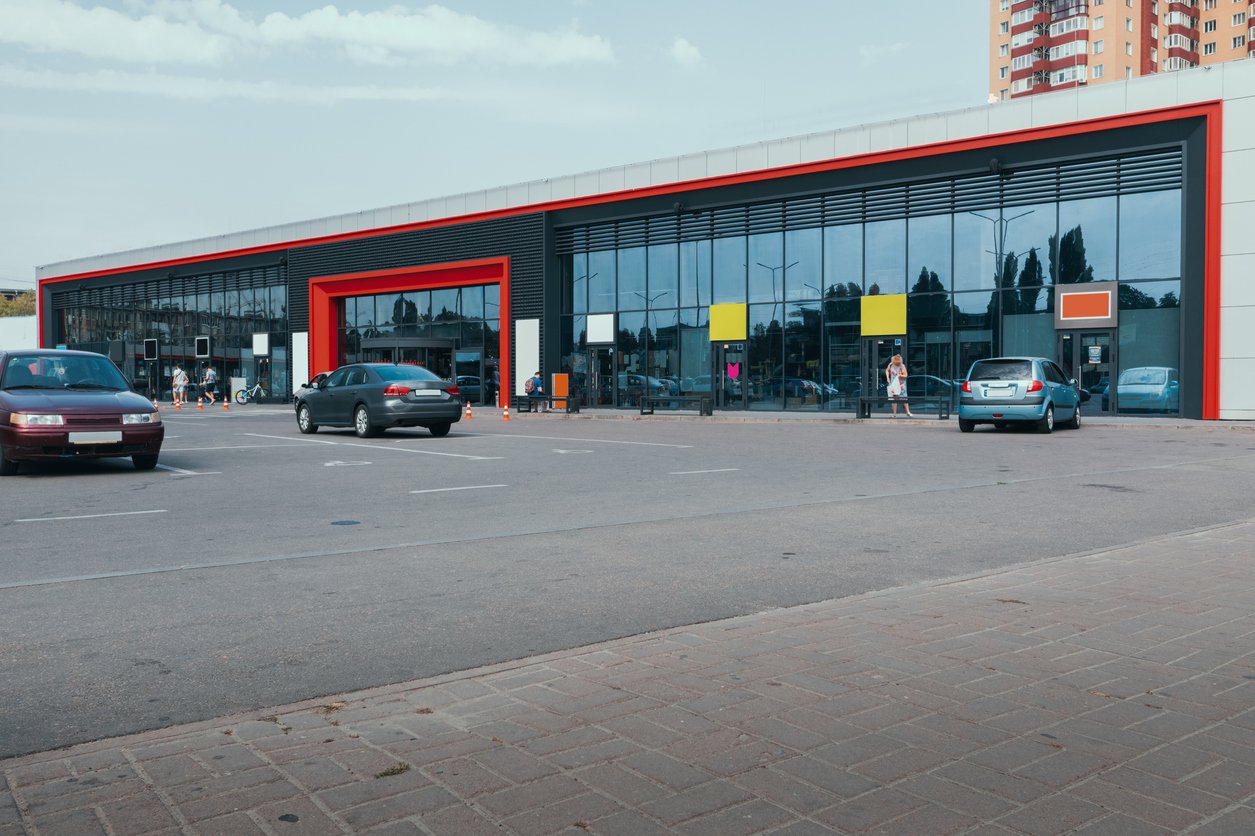
Los Angeles – (Los Angeles, Calif.) — Last week, the Los Angeles Regional Water Quality Control Board adopted the nation’s first general stormwater permit for commercial, industrial, and institutional properties, closing a regulatory gap that has allowed some of the region’s largest private landowners to send polluted runoff into public waterways for decades without any obligation to clean it up.
This new permit covers privately owned properties with five or more acres of impervious surface — shopping centers, distribution warehouses, office parks, and similar large developments — in the Dominguez Channel/Greater Los Angeles and Long Beach Inner Harbor Watershed and the Los Cerritos Channel/Alamitos Bay Watershed. Both waterways are heavily impaired by copper, zinc, and other pollutants that wash off paved surfaces during storms.
“This is the moment we’ve been working toward since we first petitioned the U.S. EPA back in 2015 to regulate commercial runoff,” said Bruce Reznik, executive director of Los Angeles Waterkeeper. “For too long, cities and taxpayers have shouldered the entire cost of cleaning up pollution that comes from these large commercial properties. With this new permit in place, the Regional Board can do what should have done thirty years ago: telling commercial property owners that if their land is polluting our rivers and our harbor, they’re responsible for fixing it.”
This new permit is the first in the country to regulate commercial properties as a category under the Clean Water Act’s stormwater program. Since the 1990s, federal stormwater permitting has been applied to municipal storm drain systems, construction sites, and a defined list of industrial facilities — but never the shopping centers, warehouses, and office complexes whose vast paved surfaces generate much of our urban runoff pollution. This permit addresses the pollution generated on these commercial sites, using EPA’s rarely invoked “residual designation” authority to bring an entire class of previously unregulated dischargers under the Clean Water Act for the first time. EPA Region 9 issued the residual designation in 2024 response to petitions filed by Los Angeles Waterkeeper, NRDC, and American Rivers.
What the Los Angeles Water Board adopted today is a working template that regulators across California and the country can adapt to their own polluted watersheds. Runoff from large commercial, industrial, and institutional properties is a major unaddressed source of stormwater pollution statewide, contributing an estimated 35 to 60 percent of pollutant loads. Municipalities, meanwhile, remain legally responsible for meeting water quality standards in the same watersheds via municipal stormwater permit requirements. With no means to hold these large commercial properties responsible for the pollution they generate, California cities have spent hundreds of millions of dollars a year trying to address ongoing runoff pollution while water quality violations persist.
Covered facilities under this new permit can comply in one of three ways: (1) funding regional stormwater capture and green infrastructure projects at the watershed scale; (2) retrofitting their own sites to capture and treat runoff; or (3) meeting numeric pollutant limits at their discharge points. The regional funding option is expected to channel private compliance dollars into municipal multi-benefit projects — wetlands, spreading grounds, green streets — that local governments have long said they cannot afford to build on their own.
Affected commercial property owners argued erroneously to the Regional Water Board that covered facilities would be “double-taxed” because they already pay parcel fees to Los Angeles County’s Safe Clean Water Program. However, the Safe Clean Water Program allows property owners who capture their own runoff to apply for a fee reduction when they adequately reduce pollution from their sites — meaning a facility that complies with the new permit can reduce their tax obligations under the program.
“Los Angeles just showed the rest of California how this gets done,” said Sean Bothwell, executive director of California Coastkeeper Alliance. “The corporations that own warehouses, fulfillment centers, and shopping malls have had a free ride for thirty years while the public paid to clean up their mess. That era is ending. We filed petitions last month asking six other Regional Water Boards to follow Los Angeles’s lead, and we won’t stop until every large commercial polluter in this state is part of the solution.”
In June, California Coastkeeper Alliance filed seven residual designation petitions at six Regional Water Boards, covering watersheds from the Salinas and San Diego Rivers to the American River and Colma Creek. The organizations are also urging the Legislature and State Water Board to establish a similar statewide stormwater program so that clean water protections do not depend on the watershed a property happens to sit in.
###
ABOUT LOS ANGELES WATERKEEPER – For more than 30 years, LA Waterkeeper has led efforts to confront LA’s water crisis head-on. We fight to ensure every Angeleno has reliable access to clean and safe water by demanding urgent investments, innovative solutions and bold policy changes.
ABOUT CALIFORNIA COASTKEEPER ALLIANCE - California Coastkeeper Alliance represents Waterkeepers programs statewide as they fight for drinkable, swimmable, fishable waters for all Californians. CCKA defends and expands California’s protective legislation and strengthens the function of our State Water Board. For more information, visit www.cacoastkeeper.org or @CA_Waterkeepers on social media.