
Great Cities Start with Great Water
Cities around the world are proving what's possible, and with your support, Los Angeles can lead too.
December 3, 2025
Kelly Shannon McNeill, Associate Director for LA Waterkeeper
Water is Life: LA at a Tipping Point
“Water is life” is not just a metaphor; it’s a universal truth. Without water, survival is impossible. From drinking and sanitation to agriculture, energy production, and manufacturing. Water literally makes the world go round; it's what distinguishes this beautiful blue planet from the 6,000 others tracked by NASA. Yet we waste and pollute the most precious resource in our entire galaxy. Global freshwater is rapidly running out. Demand is projected to exceed supply by 40% in 2030.
Water is at the center of climate change, bringing more extreme weather events and less predictability that farmers and water managers rely on. Here in Southern California, we are especially vulnerable to natural disasters from prolonged drought, earthquakes, fires, and floods. Whether it’s not enough, too much, or the risk of disruption and the inability to move water to where it’s most needed – water is at the center of our region’s greatest climate–driven challenges. Are we prepared for what is ahead?
In the last five years, Angelenos have faced one of the most severe droughts in history – the 2020-2022 “mega drought” placed unprecedented strain on our water resources, with bleak headlines of “lowest water levels in recorded history” frequenting the news. The mega drought was quickly followed by weather whiplash, as two years of atmospheric rivers hammered the region, putting our flood-management infrastructure to the test. Once again drought returned, and disaster struck with the devastating fires that tore through Altadena and the Pacific Palisades in January 2025. These interconnected disasters tested our resilience and revealed the vulnerabilities that have long been overlooked, highlighting serious consequences for the people of this city and the places we love.
But if there’s anything that 2025 has taught us, it’s that business as usual will no longer cut it. The question is whether we’ll be bold enough to meet the moment, changing the ways we manage our resources and investing in solutions that make our communities more resilient. Which is why, for more than 30 years, LA Waterkeeper has fought to ensure every Angeleno has reliable access to clean and safe water by demanding urgent investments, innovative solutions and bold policy changes that future-proof LA’s water systems. We are advocating for systemic change that lasts beyond any administration or news cycle and creates real safeguards to ensure our region is equipped to handle the climate-driven disasters we’re already facing.
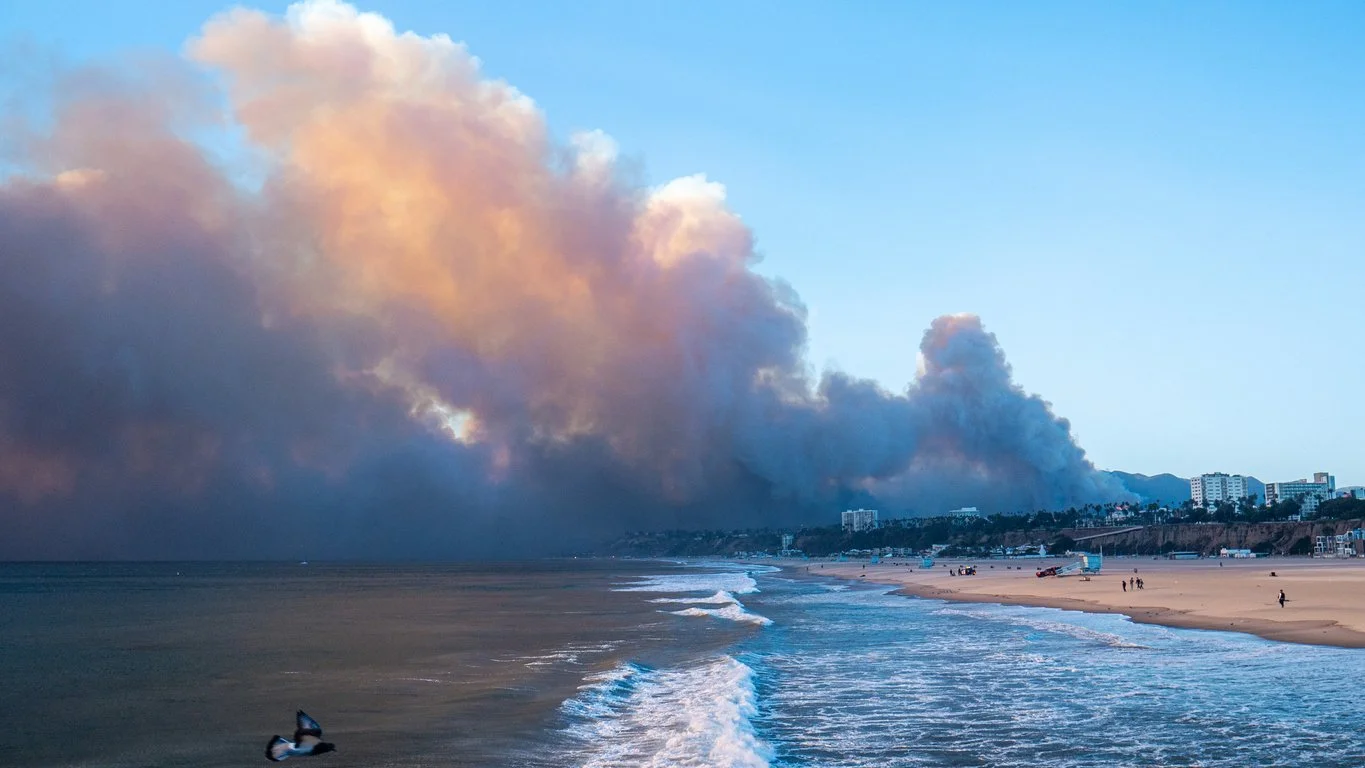
Photo Credit: Ward DeWitt
Why Water is at the Heart of LA’s Future
Water is literally the lifeblood of our communities, but for too long, we’ve treated it as an afterthought instead of the precious, finite resource it is. Our region faces massive challenges from chronic pollution and aging infrastructure that put public health and our economy at risk. Urgent investments and transformative change are needed to ensure we can reliably provide clean, safe water for Angelenos today and for generations to come.
Natural Disaster Risk
Los Angeles imports roughly two-thirds of its water from hundreds of miles away, making us deeply vulnerable to supply interruptions from earthquakes and drought. Imported water relies on snowmelt to supply the aqueducts that carry water across mountains, deserts, and farmland to our megatropolis. However, this snowmelt is becoming increasingly unpredictable as climate change leads to more precipitation occurring as rain, and remaining snowpack melting at a quicker rate. This challenging dependence on snowmelt during hot summers and dry autumns is unsustainable.
During storms, LA still sends hundreds of millions of gallons of water through our storm drains and rivers straight out to sea - exacerbating pollution and wasting this vital resource instead of capturing it. And as wildfires continue to push against the urban-wildland interface, municipal water systems are under pressure to address challenges they are not designed for.
The solution? To build real climate resilience, LA must invest in local, sustainable water systems like stormwater capture, wastewater recycling, and green infrastructure that salvages water instead of wasting it.
Public Health & Environmental Justice
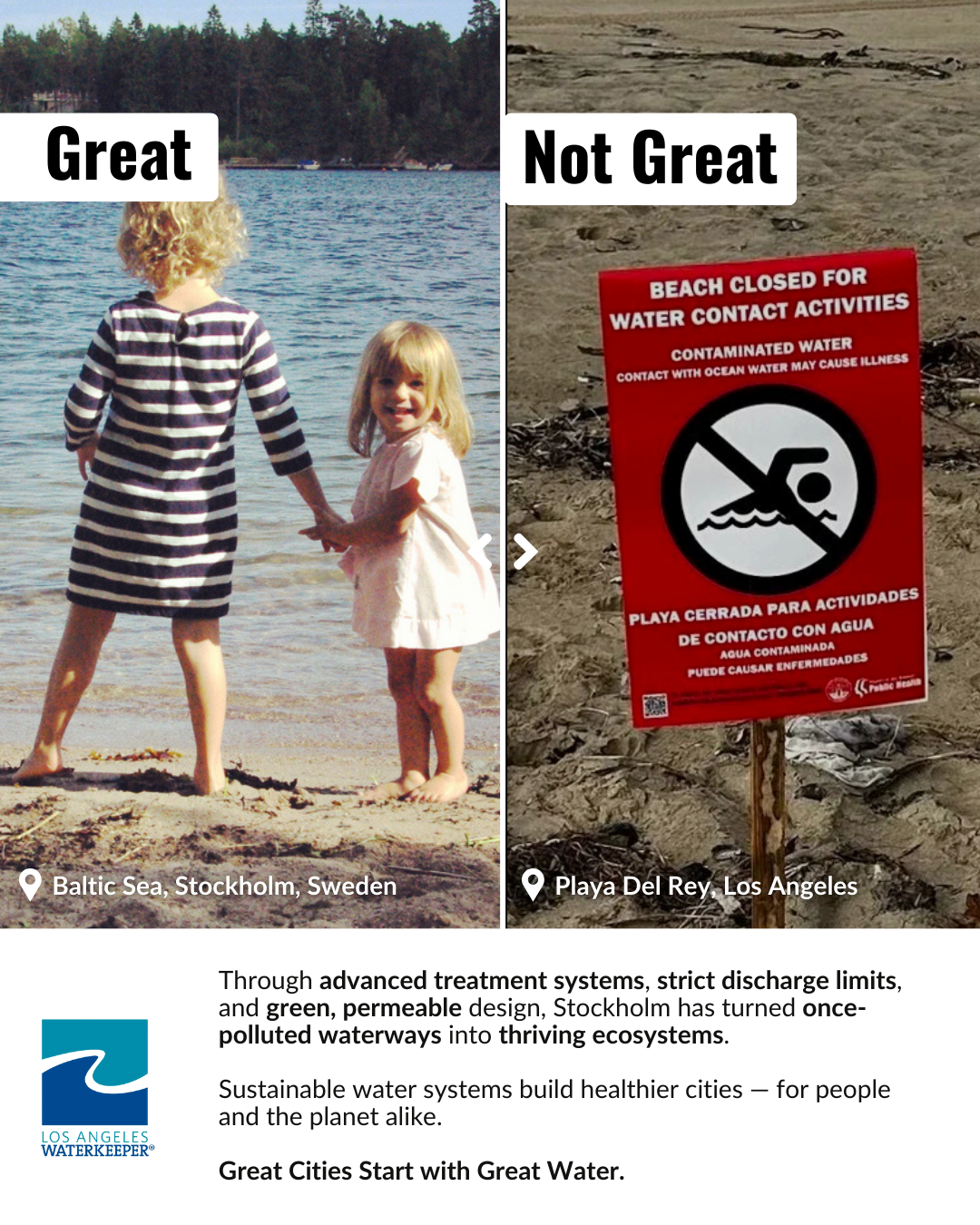
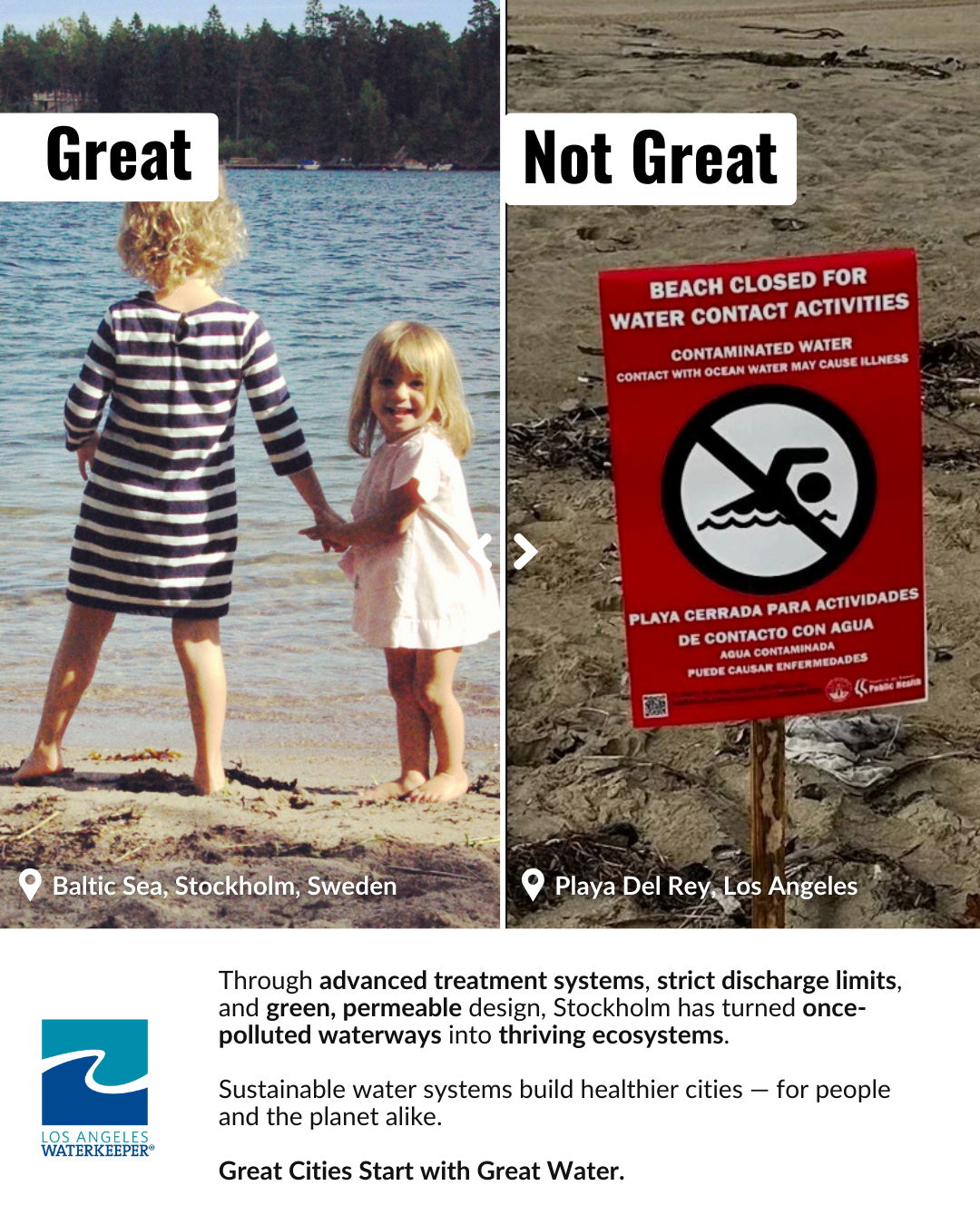
The lack of investment in pollution prevention, stormwater capture and wastewater recycling also has disastrous consequences on our ecosystems and public health. Contaminated coastal waters and polluted urban runoff threaten human health, wildlife, local economies, and the ecosystems we all depend on.
Public health is often the first and most visible casualty. Bacterial contamination in ocean water can cause serious illnesses — from gastrointestinal infections to respiratory issues and skin rashes. These risks are especially dangerous for children, older adults, and people with compromised immune systems. Lower-income communities often face the greatest impacts from pollution, flooding, and aging infrastructure and are least able to afford the increasing costs associated with upgrading infrastructure.
Economy – the Cost of Inaction
A new economic analysis by UC professors shows the high cost of inaction on California’s water supply challenges. It estimates that the state could lose enough water each year to supply up to 9 million households — with consequential economic losses totaling between $3.4 and $14.5 billion per year. We can no longer delay investing in a reliable water future, and yet we face an affordability crisis compounded by unprecedented federal divestment from our communities. But every year that we delay these urgent investments, the costs balloon.
Conclusion: Hope for a resilient future
It doesn’t have to be this way. All around the world, cities are leading the charge toward revamping their water systems to be more sustainable and resilient.
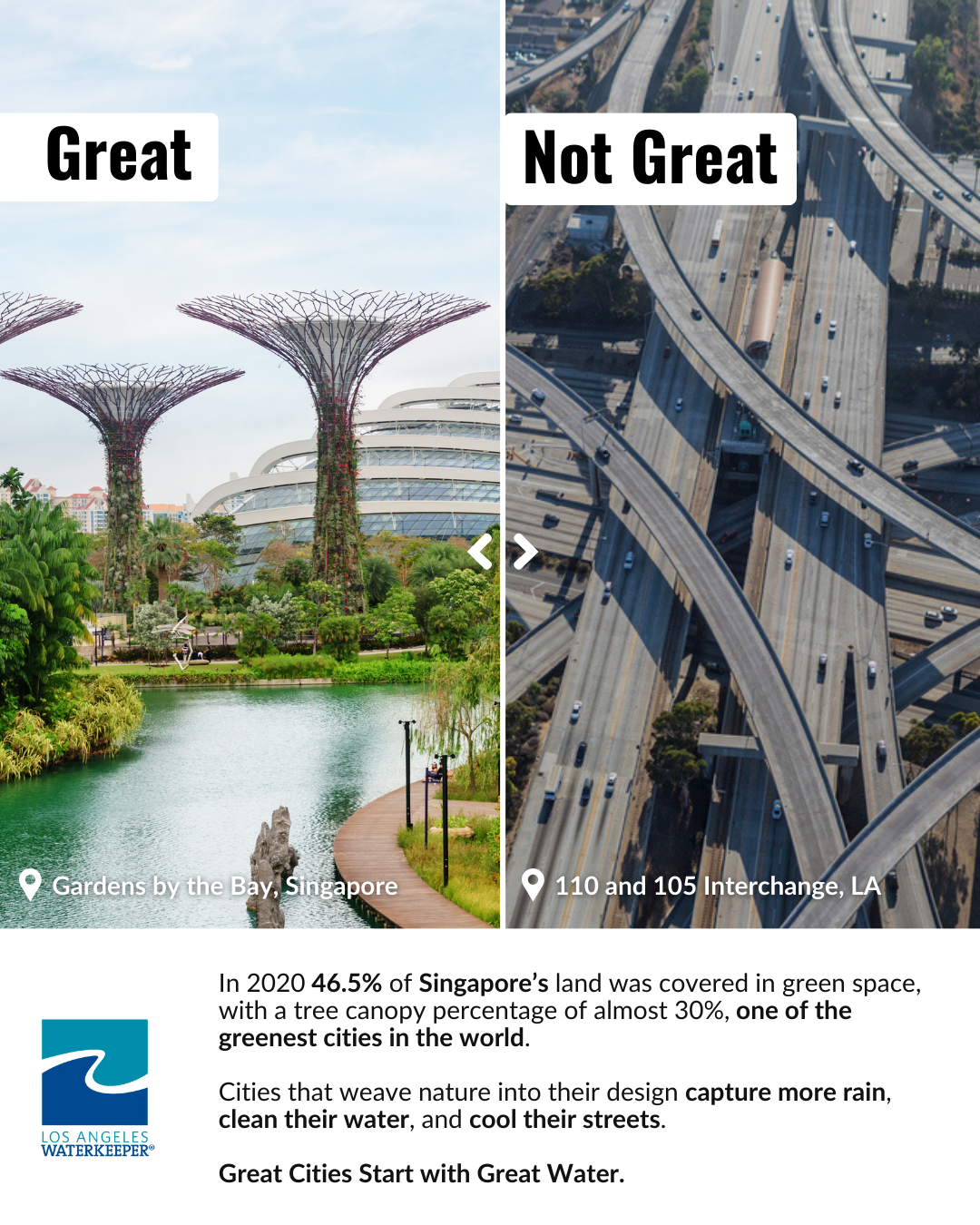
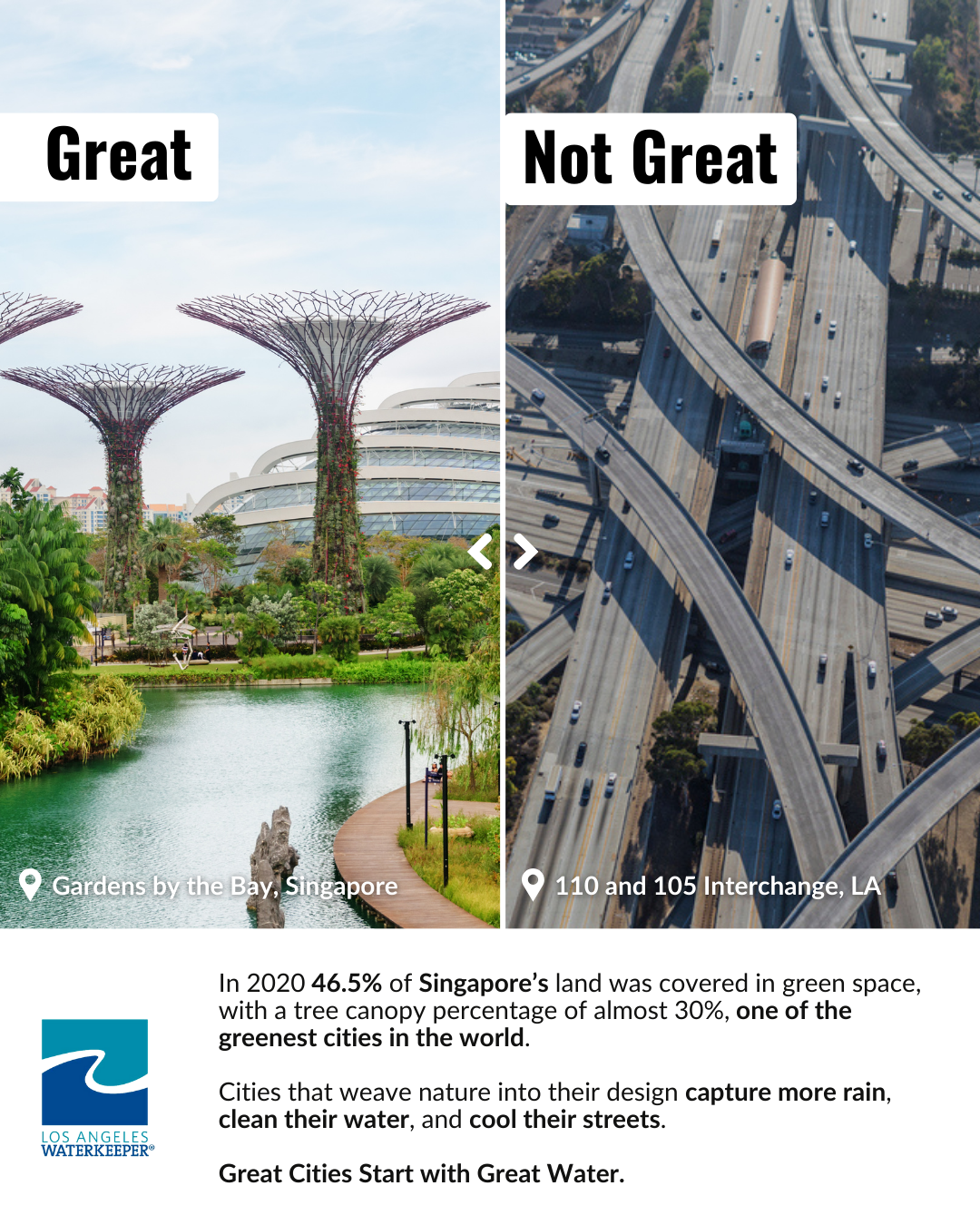
In 2020 46.5% of Singapore’s land was covered in green space, with a tree canopy percentage of almost 30%, one of the greenest cities in the world. Cities that weave nature into their design capture more rain, clean their water, and cool their streets.
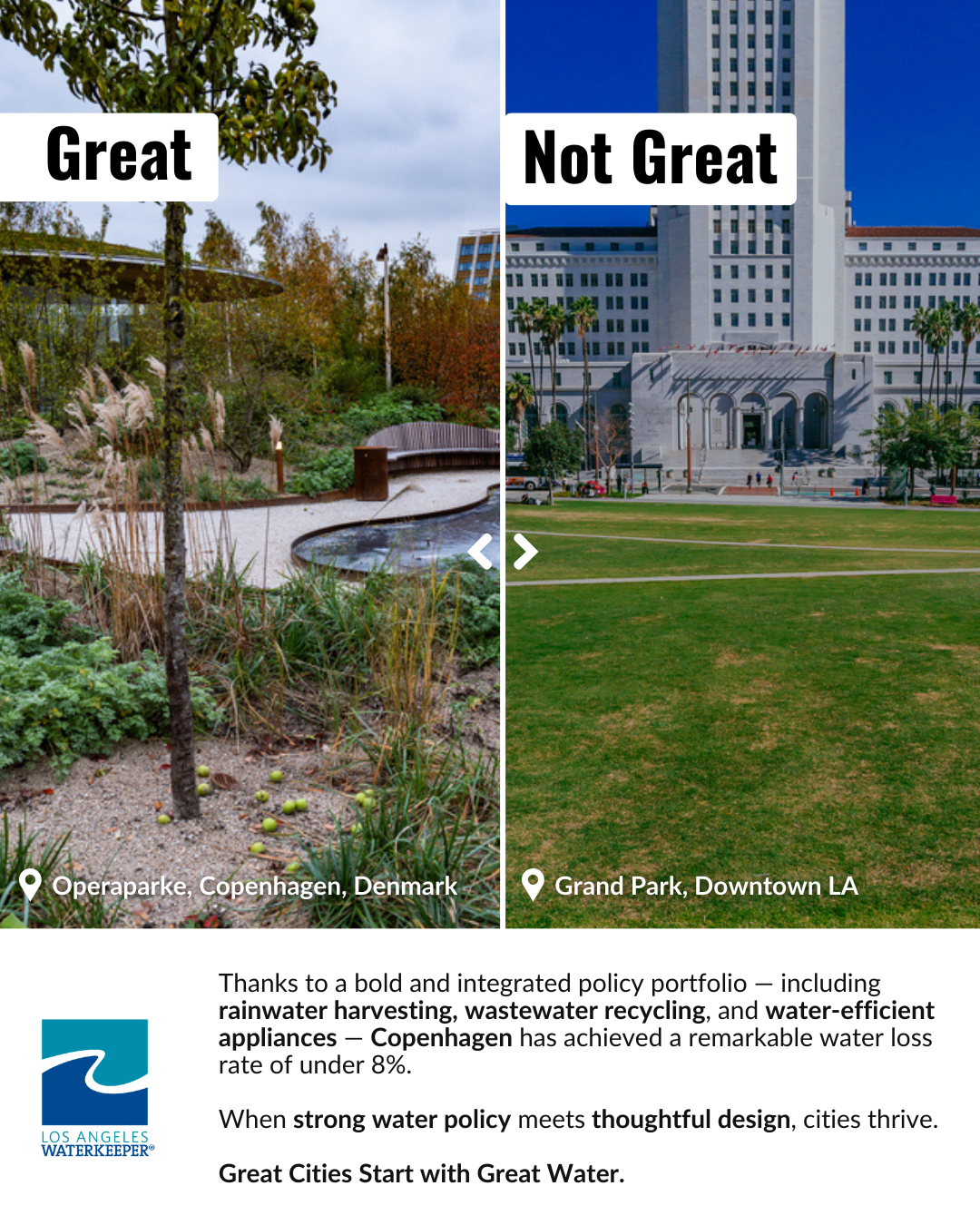
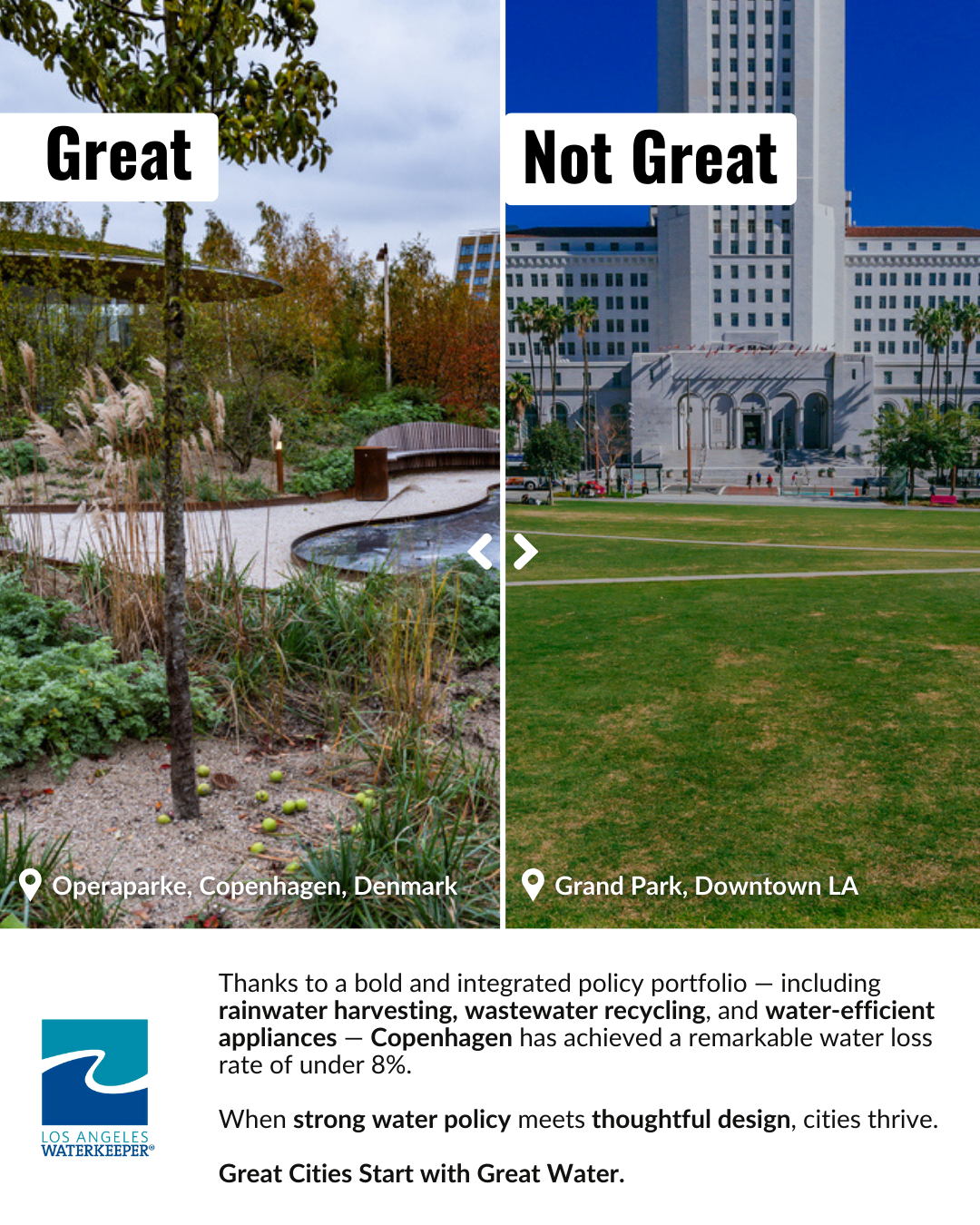
Copenhagen has achieved a remarkable water loss rate of under 8%. Thanks to a bold and integrated policy portfolio — including rainwater harvesting, wastewater recycling, and water-efficient appliances. When strong water policy meets thoughtful design, cities thrive.
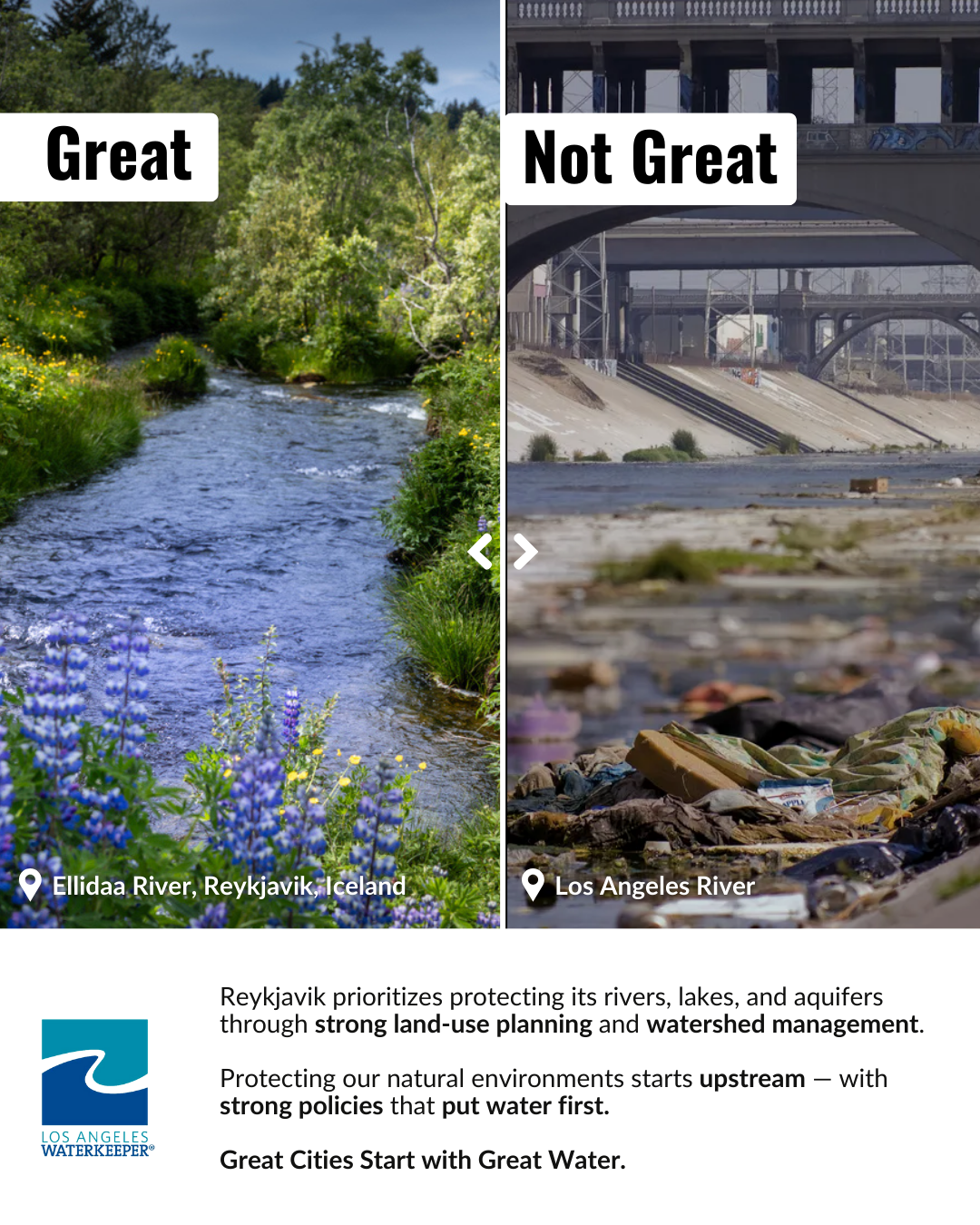
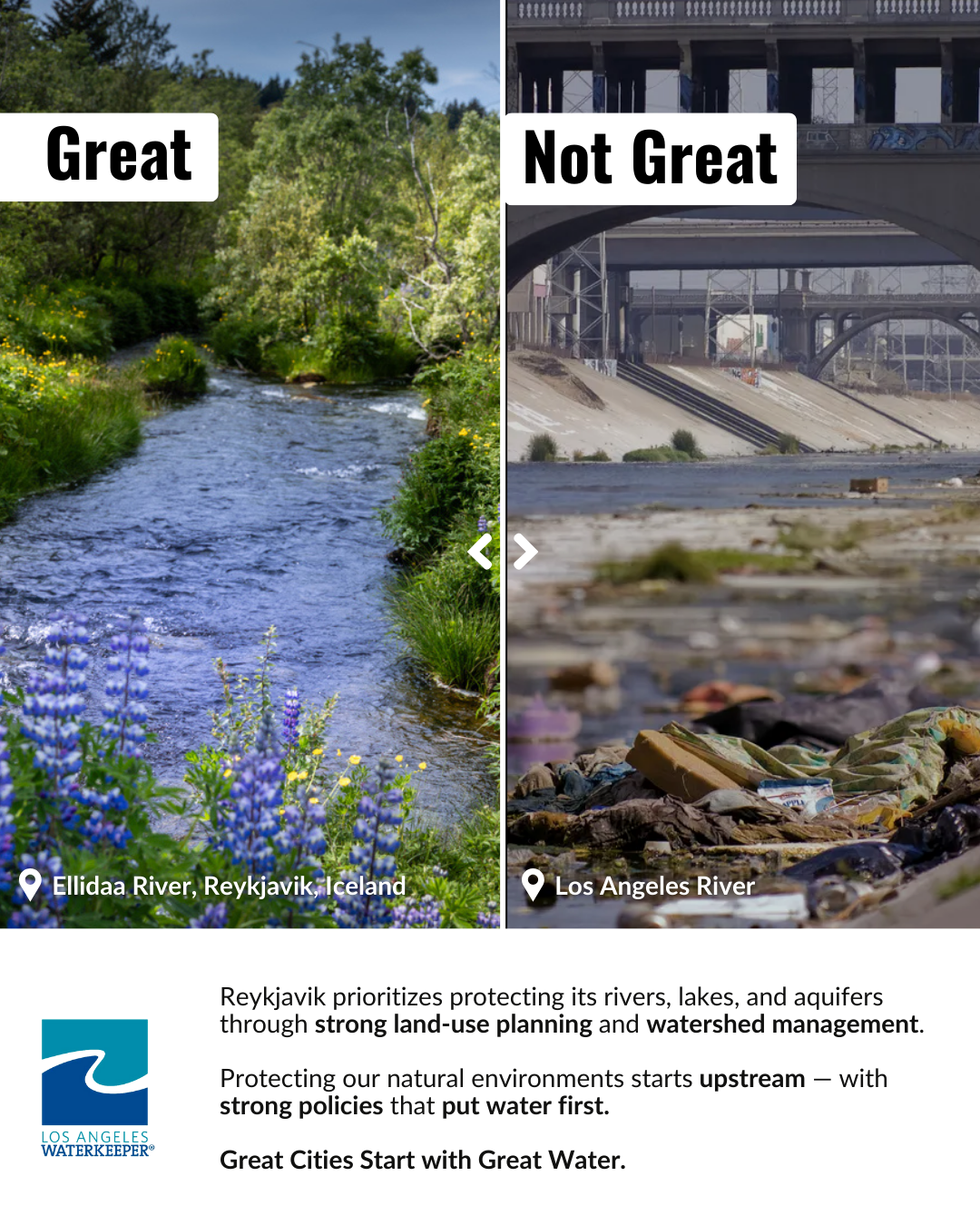
Reykjavik prioritizes protecting its rivers, lakes, and aquifers through strong land-use planning and watershed management. Protecting our natural environments starts upstream — with strong policies that put water first.
Los Angeles can join their ranks by daring to dream bigger, by letting go of outdated thinking, by putting in the work and making the investments to ensure our region is equipped to handle the climate-driven disasters we’re already facing.
While the last 5 years have put our infrastructure and our community's resilience to the test, I also see a lot of hope. Thanks to your support, the LA region is poised to invest more than $20 billion in our water infrastructure over the next two decades. By reducing water waste, reusing urban and stormwater runoff, recycling purified wastewater, and restoring contaminated groundwater – the ‘4-R’ approach - we can ensure every Angelenos has clean, reliable and affordable water for generations to come.
We have significant work ahead, and it’s essential to allocate our limited resources wisely – focusing on local water projects that enhance our regions security rather than costly initiatives like the Delta Tunnels, which do not align with today’s climate realities.
Your support enables LA Waterkeeper to tackle LA’s toughest water problems at their source. Together we’ve achieved some incredible results:
Reducing sewage spills in the City of Los Angeles by 90% since 2000 and bringing more than 100 industrial facilities into compliance with clean water laws through legal action;
Inspiring millions of Angelenos to conserve water, by changing their habits and their landscapes;
Passing and implementing Measure W (the Safe Clean Water Program), which allocates $280 million annually for multi-benefit stormwater projects like parks and green schoolyards. More than $1 billion has been invested in 100+ projects to date, significantly reducing the region's top pollution source and capturing water for reuse;
Advocating for Los Angeles to double the size of its wastewater recycling projects, creating a reliable source of local water for the region, while fighting against expensive and environmentally impactful water import projects;
Reinvesting $30 million in pollution-impacted communities, funding restoration projects such as Watts Re:Imagined, through supplemental environmental projects (SEPs) in partnership with 55+ local groups.
Because of supporters like you, we’ve made major strides to make LA’s water safer and more reliable, and ensure our region is equipped to handle the climate-driven disasters we’re already facing.
We can’t do this without you. Your support helps us confront LA's water crisis head-on and build the sustainable solutions our region needs. Donate to the Great Cities Start with Great Water campaign today.
When LA works together, nothing stands in our way. Thank you for supporting a community that’s striving for a better future for every Angeleno.
Warmest Regards ,
Kelly Shannon McNeill
Associate Director
LA Waterkeeper