
The Fires Changed LA—Now What?
From rainwater capture to restored wildlands, resilient landscapes and local water systems can reduce fire risk, protect waterways, and prepare LA for climate whiplash.
January 28, 2025
Audrey Siu, Urban Resilience Director for LA Waterkeeper
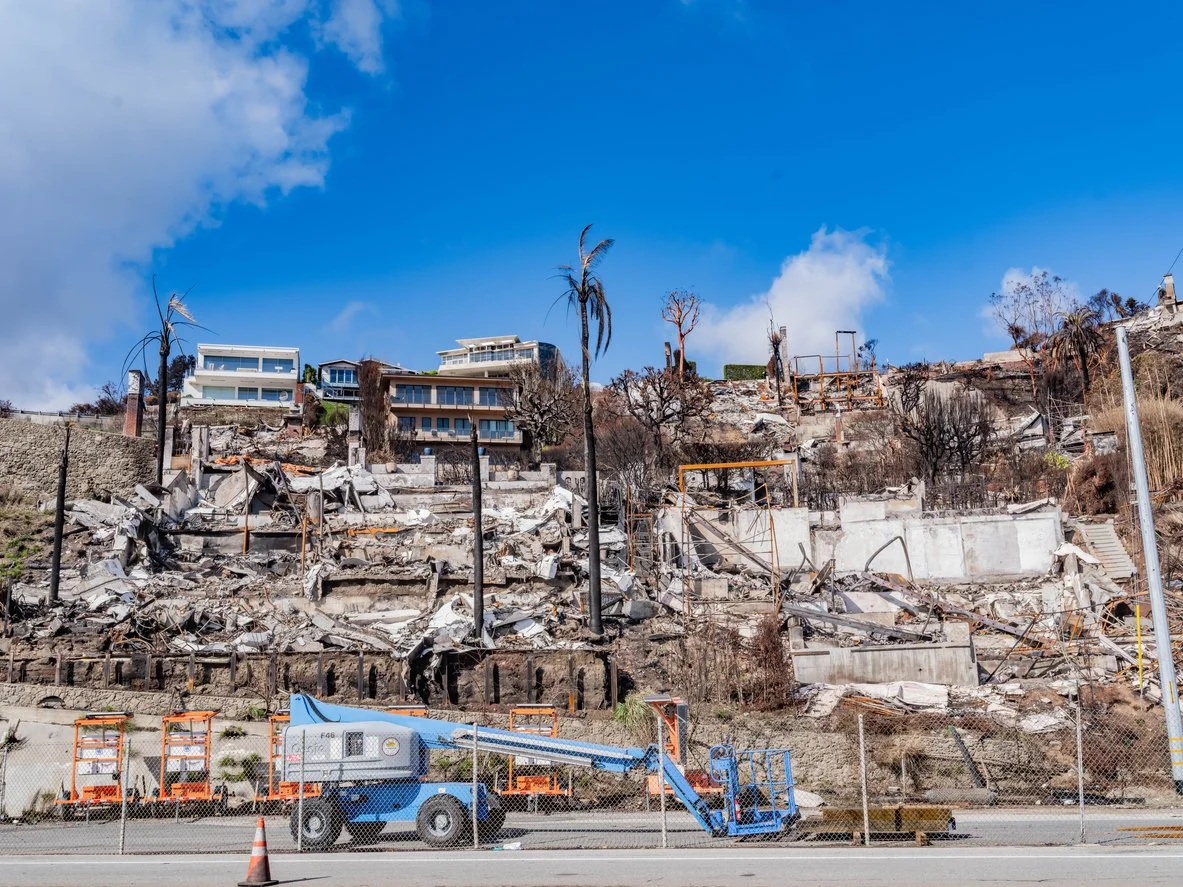
Photo Credit: Wirestock
Water is at the center of all natural disasters in Southern California. Whether drought, flooding, or post-earthquake water supply, our community suffers when too much or too little water is available. In the case of LA's January 2025 wildfires, it was both.
In the years leading up to the fires, two consecutive wet seasons saw unusually heavy rainfall that spurred lush vegetative growth, but these years were followed by an acutely hot, dry summer that dried out the vegetation and turned it into abundant tinder.
This is what climate change looks like: alternating extremes followed by disasters greater than the sum of their parts. Southern California may be a fire-adapted region meant to burn—and it is important to respect its place in Nature’s order—but fires of this magnitude are neither natural nor healthy. How will we stand up to this new normal?
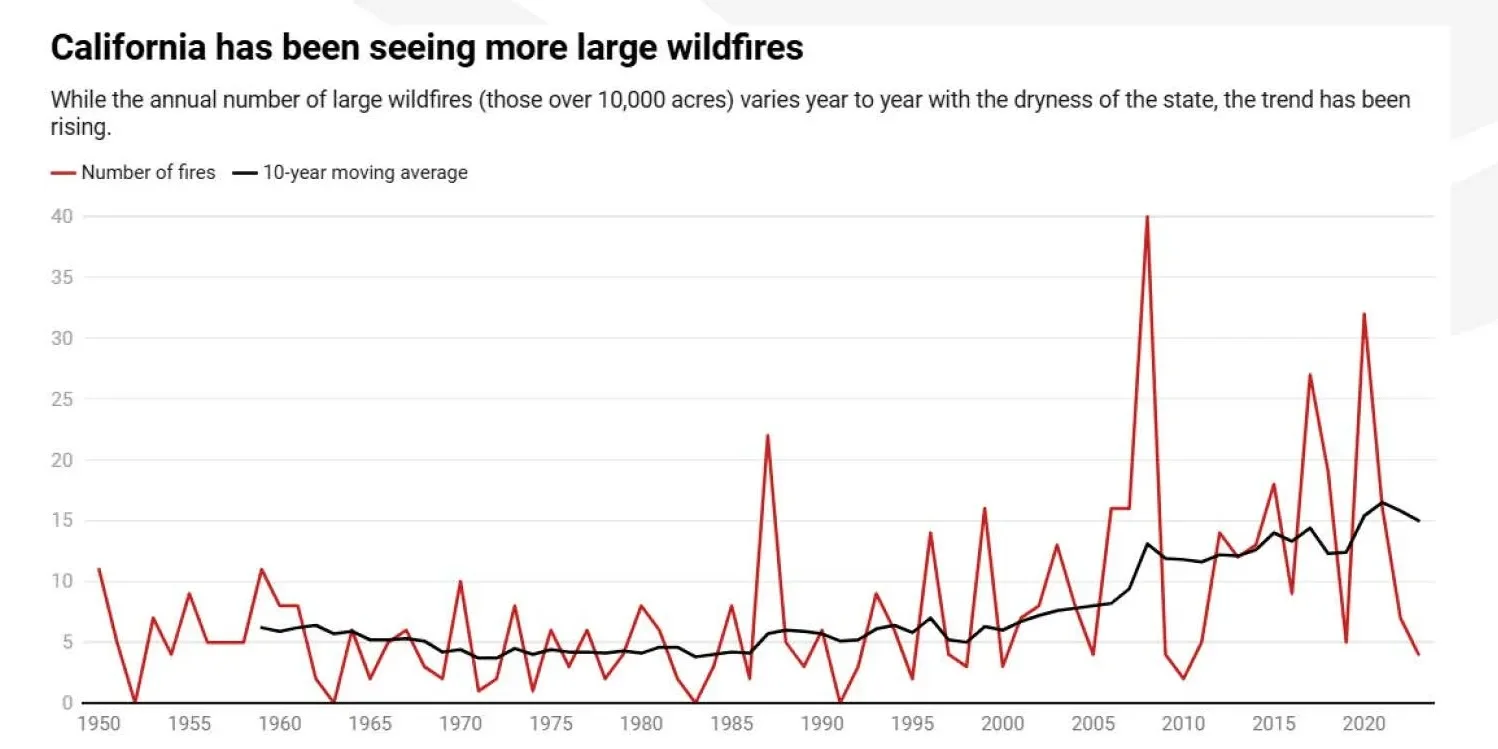
Photo Credit: Maven’s Notebook
The region must rebuild, but it must rebuild with resilience. This means thoughtful, equitable rebuilding paired with investments in local, nature-based water solutions to strengthen LA’s long-term drought resilience and overall water security.
In the year since the wildfires, state, local, and federal leaders have taken swift action to accelerate recovery, but in many cases, this speed came at a cost.
Some recovery approaches weakened environmental safeguards, treated water systems and watershed health as secondary concerns, or prioritized rebuilding in place rather than reducing future disaster risk.
To fill that gap, LA Waterkeeper engaged with dozens of partners over the past year to develop a series of science-backed, environmentally just policy proposals that would prioritize local water resilience and safer, more sustainable rebuilding.
We identified four priority recommendations:
Prioritize local water resilience
Recent wildfires and droughts have shown that relying only on large, centralized water systems leaves communities vulnerable during emergencies. Los Angeles needs a local, resilient water supply that works alongside municipal systems and keeps water available when it’s needed most.
This includes reducing impervious surfaces like concrete and asphalt and ensuring natural areas remain intact so stormwater can soak into the ground and recharge aquifers instead of running off into streets and storm drains.
Key actions include:
Integrating greywater and rainwater systems into rebuilds so homes can reuse water and capture rainfall.
Providing incentives for rainwater harvesting, such as rain barrels and cisterns.
Investing in community-scale solutions like shared water tanks, swales, and retention basins that slow runoff, reduce flooding, and store water locally.
Over time, Los Angeles must also reduce its dependence on imported water and invest in homegrown water solutions—including recycled water, conservation, and stormwater capture—to ensure long-term water security in a changing climate.
Use nature-based solutions
Healthy landscapes can reduce wildfire risk while protecting water supplies. By working with natural systems instead of paving them over, Los Angeles can better manage fire, flooding, and drought.
Key actions include:
Promoting water-efficient, fire-resilient landscaping with native and climate-appropriate plants that reduce fire risk and use less water.
Creating buffer zones and open space around development to help protect homes, provide recreation, and allow rainwater to recharge groundwater.
Restoring burned wildlands so they can recover quickly, reduce flooding, filter water into aquifers, and outcompete highly flammable invasive species.
Photo Credit: Ward Dewitt
Ensure adequate scientific monitoring
Smart recovery decisions depend on good data. To protect public health and restore waterways after wildfires, it’s essential to understand how fires change water quality and ecosystem health over time.
LA Waterkeeper urges the development of a robust pre- and post-fire watershed monitoring program to track pollution, sediment, and other impacts before and after fires. This information helps identify risks to communities, guide restoration efforts, and ensure that recovery actions are effective and based on science.
Prioritize workforce development:
Rebuilding with resilience requires more than good policies—it requires skilled people to put those solutions into action. From restoring habitats to installing local water systems, the work ahead depends on a trained workforce.
LA Waterkeeper recommends rapidly expanding training and job opportunities for habitat restoration, construction, and landscaping workers. Building this local workforce will speed recovery, support long-term resilience, and create good jobs for community members helping rebuild their own neighborhoods.
The fires made clear that climate disaster in Los Angeles is not an anomaly, but a predictable failure of systems never designed for today’s climate realities. Meeting this moment therefore will require more than short-term fixes, but truly systemic change and a bold rethinking of how we rebuild. Our hope is that these recommendations help guide advocacy toward solutions that are not only ambitious, but workable—grounded in science, shaped by equity, and built to last. By pushing for approaches that truly reduce risk rather than defer it, Los Angeles can move from reactive recovery toward communities that are safer, healthier, and better prepared for the next crisis.