
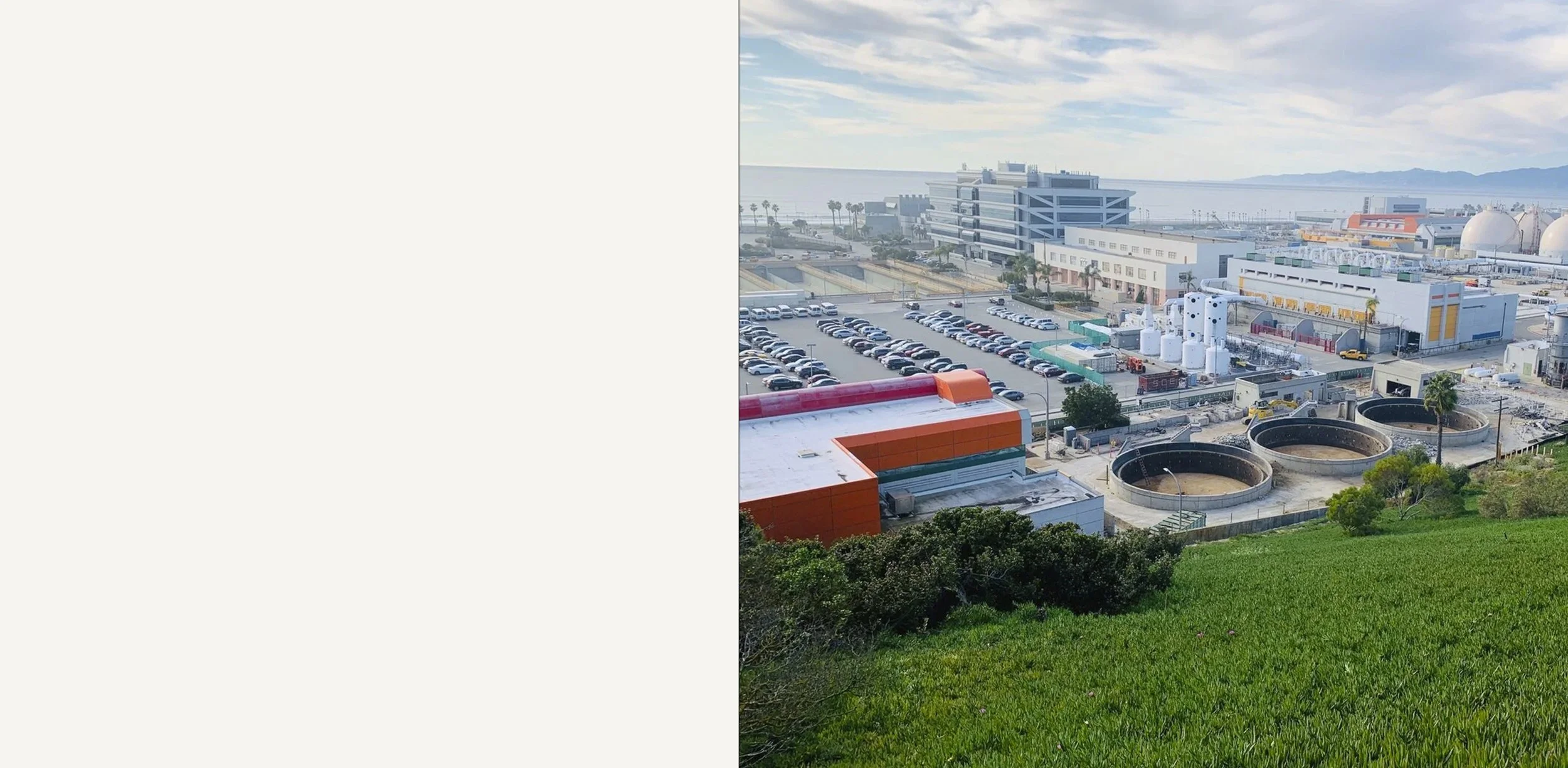
SEWAGE SPILLS & TREATMENT
Overview
Sewage spills and wastewater discharges remain a serious threat to Los Angeles’ rivers, beaches, coastal waters, and communities. While the region has made major progress over the past several decades, aging infrastructure, treatment failures, and ongoing discharges can still release bacteria, nutrients, and other pollution into local waterways.
LA Waterkeeper has helped drive that progress. Our past enforcement contributed to major investments in Los Angeles’ wastewater system and a more than 90% reduction in sewage spills since 2000.
Today, we continue to track spills, strengthen permits for major treatment facilities, hold agencies accountable for serious violations, and support monitoring that identifies sources of human fecal contamination.
The Challenge
Sewage pollution threatens public health and can cause
gastrointestinal illness,
respiratory infections, and skin rashes

Beach closures and degraded water quality
can threaten recreation, tourism, local businesses, and public access
Recent federal rollbacks have narrowed
Clean Water Act protections
leaving more wetlands and waterways vulnerable to pollution and development
-
We track sewage spills across the Los Angeles region to determine whether wastewater agencies are meeting best practices. When agencies fail to prevent spills or comply with environmental requirements, we pursue enforcement and other accountability measures.
-
We track and engage in permit renewals for major sewage treatment facilities to ensure their discharge requirements protect marine health. This includes reducing unnecessary discharges and nutrient pollution that can harm coastal ecosystems.
-
We support regional monitoring that uses advanced testing to identify human sewage contamination in local waterways. Through SCCWRP’s Bight ’23 program, testing for the human fecal marker HF183 is being conducted using digital PCR in the Dominguez Channel, Los Angeles Harbor, Ballona Creek, and Playa del Rey.


