INDUSTRIAL POLLUTION & URBAN RUNOFF
Overview
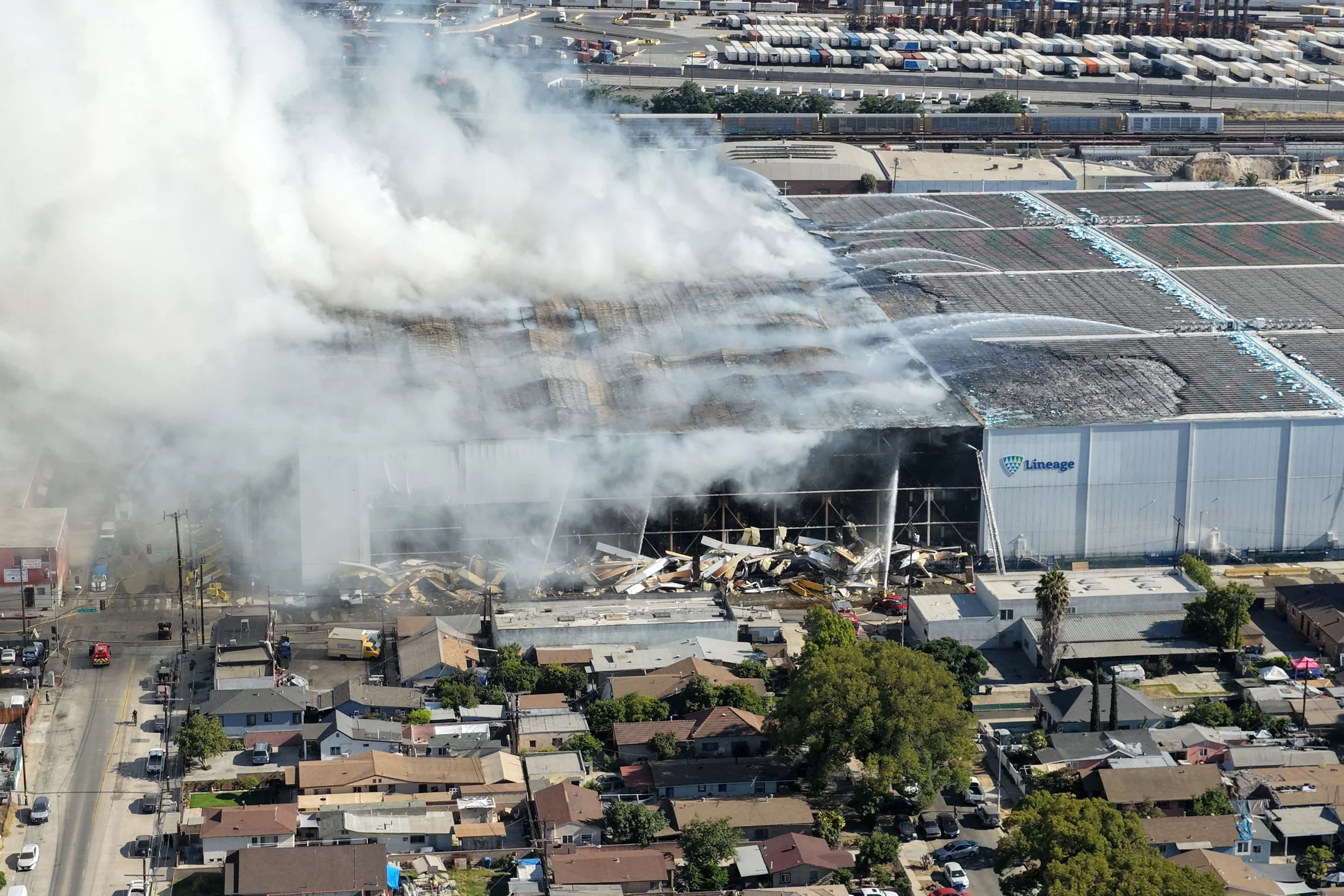
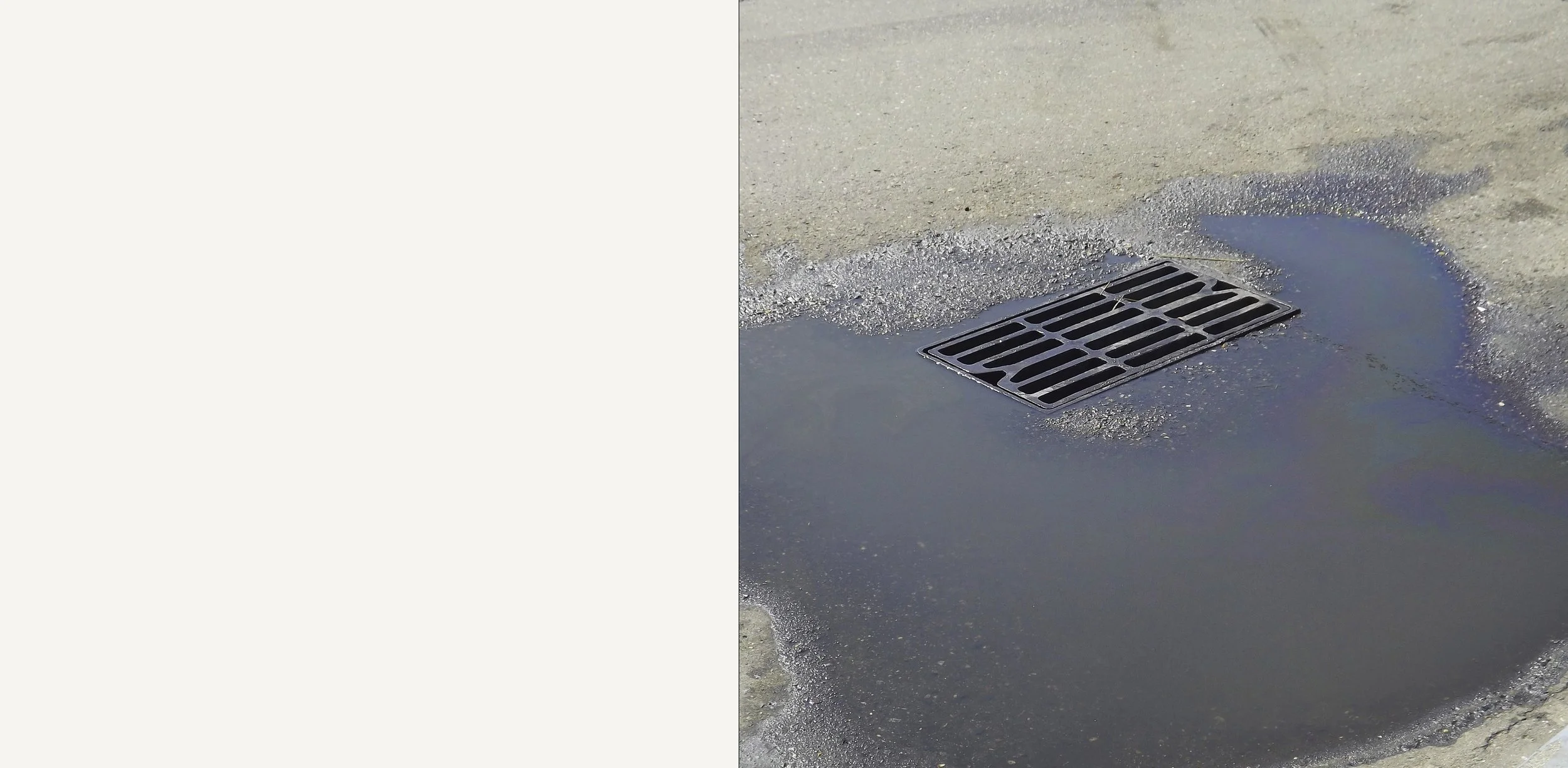
Industrial facilities, commercial properties, roads, parking lots, schoolyards, and construction sites can all send polluted runoff into Los Angeles’ waterways. When rain washes across these surfaces, it can carry heavy metals, oils, grease, trash, bacteria, and other contaminants into storm drains, rivers, harbors, and the ocean.
LA Waterkeeper works to stop this pollution at its source. We strengthen stormwater permits, close regulatory gaps, monitor compliance, and hold facilities and public agencies accountable when they fail to control polluted runoff.
The Challenge
Each year, an estimated
100 billion gallons
of polluted runoff flow through Los Angeles

Nearly
4,500
permitted industrial facilities operate across LA County, in addition to an unknown number of unpermitted sites
More than
70 waterways
across California are polluted by trash, harming wildlife and ecosystems
-
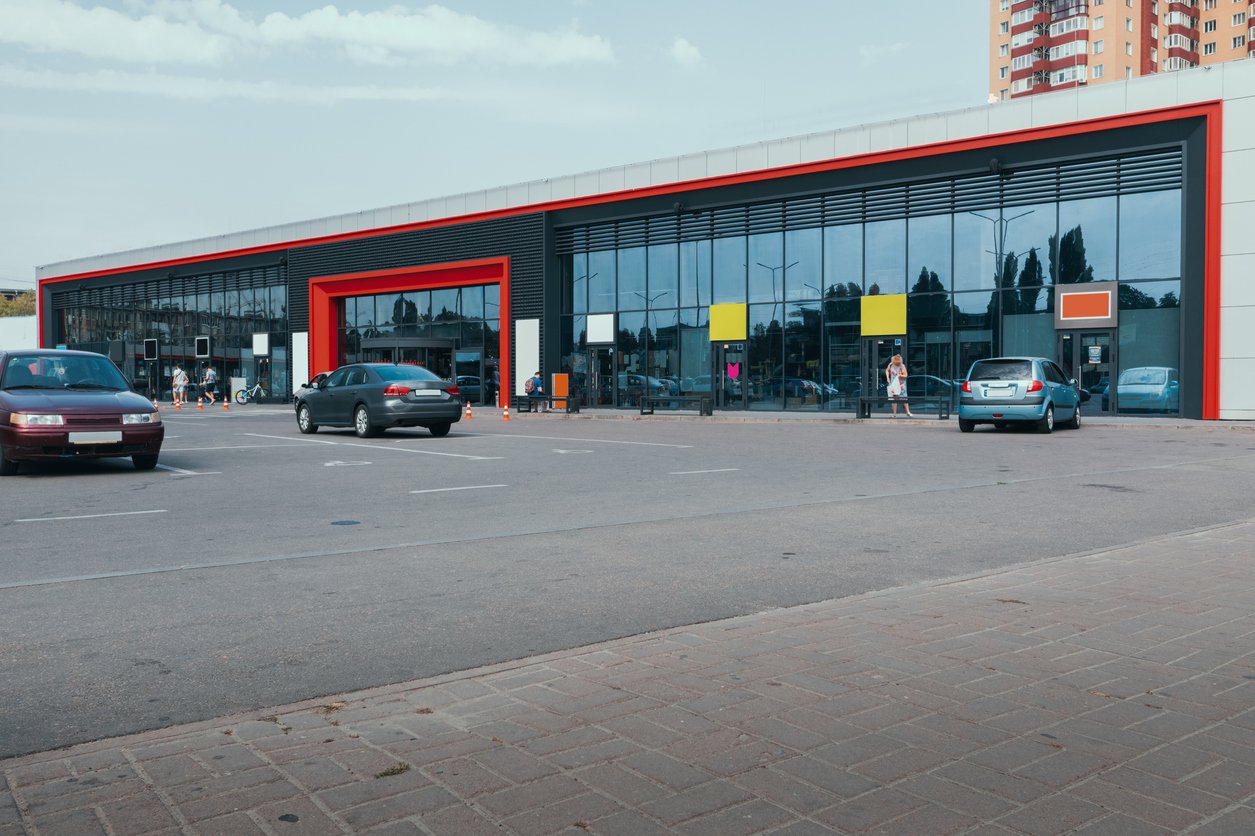
Working alongside the California Coastkeeper Alliance, LA Waterkeeper helped secure a first-of-its-kind Commercial, Industrial, and Institutional stormwater permit for the Dominguez Channel and Los Cerritos Channel watersheds. The permit brings large properties such as shopping centers, office complexes, warehouses, car dealerships, parking lots, and other developed sites under direct stormwater requirements.
We are now working to build on that victory by supporting similar protections statewide and advancing requirements to address runoff from other overlooked sources, including schoolyards.
-
We advocate for a strong, enforceable Industrial General Permit that holds industrial facilities accountable for polluted runoff, including through clear Numeric Effluent Limits that establish measurable pollution standards.
We also track compliance with stormwater permits and pursue enforcement when agencies or operators fail to meet their obligations.
-
No one wants to go to court. We use litigation as a last resort, when other efforts to resolve violations of our clean water laws have failed. But when it is necessary, we make sure it leads to something positive. Through Supplemental Environmental Projects (SEPs), settlement funds are redirected into community projects that restore waterways and support neighborhoods most impacted by pollution.
-
Ports and other major industrial facilities can pose significant risks to harbor water quality and marine ecosystems. We engage in permit renewals to push for stringent pollution-control requirements and pursue enforcement when facilities fail to comply.
By strengthening permits and enforcing pollution controls, we work to keep industrial contaminants out of Los Angeles’ harbors and coastal waters.