
October 31, 2026
Kelly Shannon McNeill, Managing Director of LA Waterkeeper
Credit: Tom Keeble
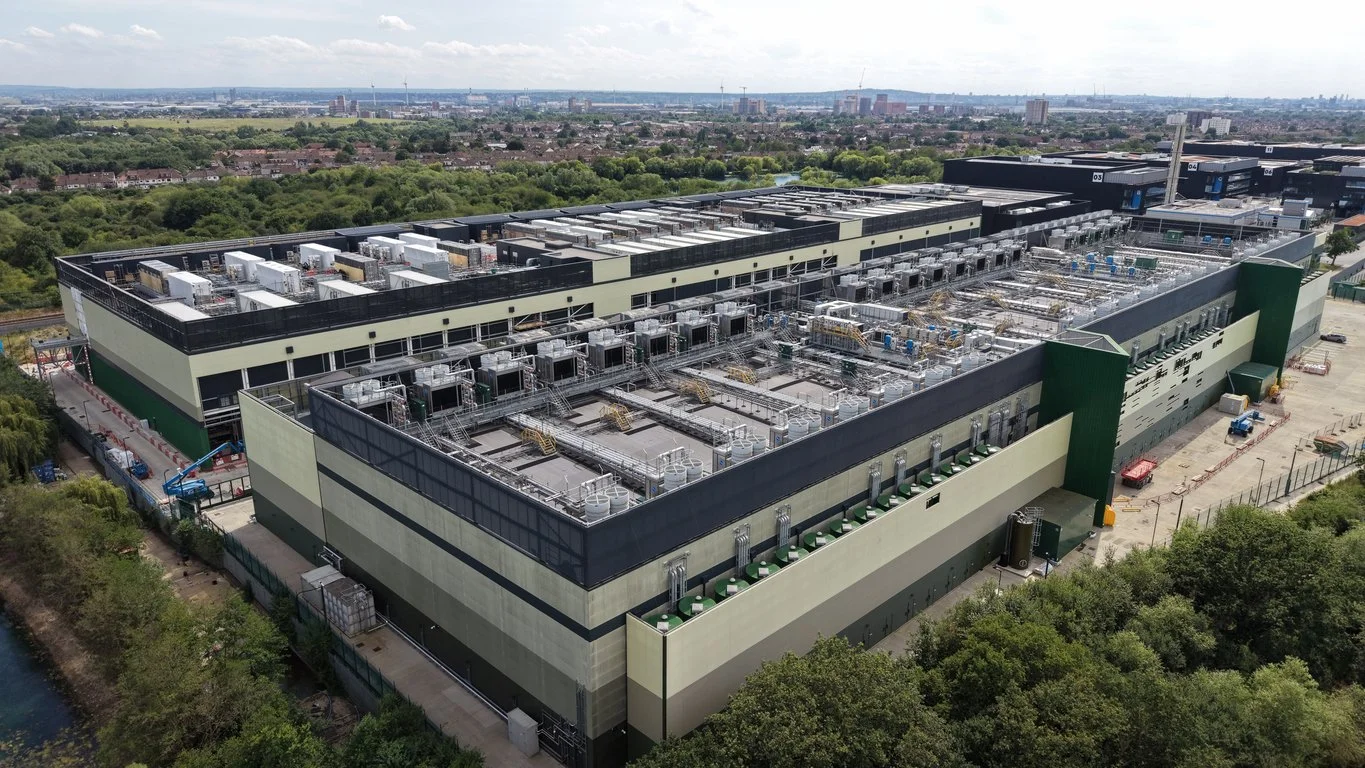
In September, a judge in Imperial County halted the state’s largest data center proposed to date because its environmental and public health impacts were not adequately analyzed. Earlier this year, voters in Monterey Park banned them outright, a first for any US city. LA County paused the development of large scale data centers in the unincorporated areas and the LA City Council is weighing zoning safeguards to protect clean air, clean water, and communities. Californians are right to ask hard questions about who pays, and who profits, when a thirsty industry moves in.
The good news: Governor Newsom recently signed a package of seven bills designed to place guardrails around data center development in the Golden State. The bad news? The critical environmental and community protections established by one of those bills would be wiped out if voters approve Proposition 45 this November.
The way Proposition 45 is written, it supersedes any conflicting laws on the books. The new laws that were recently signed place conditions on data centers that, if met, streamline the environmental and judicial review processes for developing these facilities. But under Prop 45, developers get those same benefits without meeting any of these requirements. It’s no surprise the California Chamber of Commerce, which helped put Prop 45 on the ballot, opposed new laws that require data centers to disclose their impacts and pay their own way. If they couldn’t win in Sacramento, why not try at the ballot box instead?
In California, where water is already in short supply and expected to become even scarcer as climate change continues to take hold, we will experience outsized impacts if this ballot measure passes. Our region in particular should be doing everything possible to shore up local water supplies instead of laying out the welcome mat for an industry infamous for its high water demands.
Every data center's environmental footprint traces back to the same two starting points: its location and its energy use. Location determines the local water supply available to cool the facility and the climate in which it operates. Energy use determines how much power must be generated to run it. What’s often left out of the conversation around water and data centers is that generating power almost always requires water as well – and often quite a bit more water than might be required to cool the data center itself.
Data center direct water use is what evaporates from a cooling tower onsite. Indirect water is what's consumed upstream, at the power plant, to generate the electricity the data center draws. Across the country, data center indirect water use is more than ten times greater than direct use.
So what does all of this have to do with Prop 45? First and foremost, the measure limits public oversight and curtails the environmental review process under the California Environmental Quality Act in significant ways. It allows project developers to limit the number of alternatives considered for a proposed project, and prevents cities and counties from requiring developers to look at less harmful locations for a proposed project. With less input on where and how a project can be built, opportunities to protect precious water supplies from projects like data centers will be significantly limited.
The Imperial Valley data center that was recently put on pause shows what’s at stake. It plans to use 750,000 gallons of water a day, roughly as much as a town of 10,000 people. Its developer first said it would run on recycled water, then sued the local irrigation district for Colorado River water, the valley's only source of fresh water. The environmental review process provides an opportunity for public oversight, bringing these kinds of issues with proposed projects into the open. Prop 45 would make it far easier for the next project to avoid this type of public scrutiny.
Prop 45 would also be very hard to undo. Making any changes to Prop 45 will require either a two-thirds vote of the legislature or another vote of the people, both of which are an exceedingly high bar to clear. Therefore, despite the best efforts of our leaders in Sacramento, securing public health and environmental protections from data center developers will be much harder if Prop 45 is in place.
With President Trump taking steps to make it easier to build data centers with fewer environmental protections, keeping safeguards strong in California is more important than ever. In fact, the Trump administration is aggressively rolling back protections for clean air, clean water, wildlife, and more in addition to clearing the way for more data center development. If Prop 45 passes, our strongest defense against these rollbacks will be lost for a long list of polluting projects – data centers among them. Notably, corporate data center developers and the utilities that enable them, including Prologis, Southern California Edison, and PG&E, have collectively contributed more than $10 million to help pass the measure.
Prop 45’s promise of more affordability raises the question, “more affordability for whom, corporations or consumers?” There is nothing in the measure that requires developers to pass along the savings they will gain from fewer environmental review requirements, or from the savings they will realize by transferring pollution cleanup costs to public coffers. Meanwhile, the nonpartisan Legislative Analyst’s Office estimates simply implementing the measure could cost state and local governments more than $100 million in taxpayer dollars annually.
There is a good reason more than 500 groups and California leaders oppose Prop 45. The League of Women Voters, American Lung Association, Coalition for Clean Air, ACLU of Southern California, California Nurses Association and Professional Firefighters, and many more reject the false promises made by the campaign to pass this measure.
California can’t afford to gamble with our limited water supplies. To protect the water our communities depend on, vote no on Prop 45.
Disclaimer: LA Waterkeeper's position on this ballot measure reflects our commitment to clean water, healthier communities, and a sustainable future for all Angelenos. As a 501(c)(3) nonprofit organization, LA Waterkeeper does not endorse political candidates. Paid for by LA Waterkeeper.