POLLUTION PREVENTION
Overview
Since the passage of the Clean Water Act, advocates and organizations like LA Waterkeeper have used its tools to hold polluters accountable and win real change, helping cut sewage spills in Los Angeles by more than 90 percent over the past two decades.
But the fight for clean water is far from over. Each year, more than 100 billion gallons of polluted runoff rush through Los Angeles, sweeping oil, toxic chemicals, bacteria, and trash from our streets into our rivers, creeks, and ocean. With climate change driving stronger storms, more pollution is being flushed into our waterways, fueling harmful algal blooms and endangering marine life and public health.
Now is the time to defend the Clean Water Act’s promise: clean, safe, pollution-free water for all. Through vigilant monitoring, stronger protections, and relentless accountability for polluters, we can build a healthier and more just water future for Los Angeles.
Each year, an estimated
100 billion gallons
of polluted runoff flow through Los Angeles

The Challenge
Much of this pollution is
invisible
including bacteria and toxic chemicals that threaten public health
More than
70 waterways
across California are polluted by trash, harming wildlife and ecosystems
-
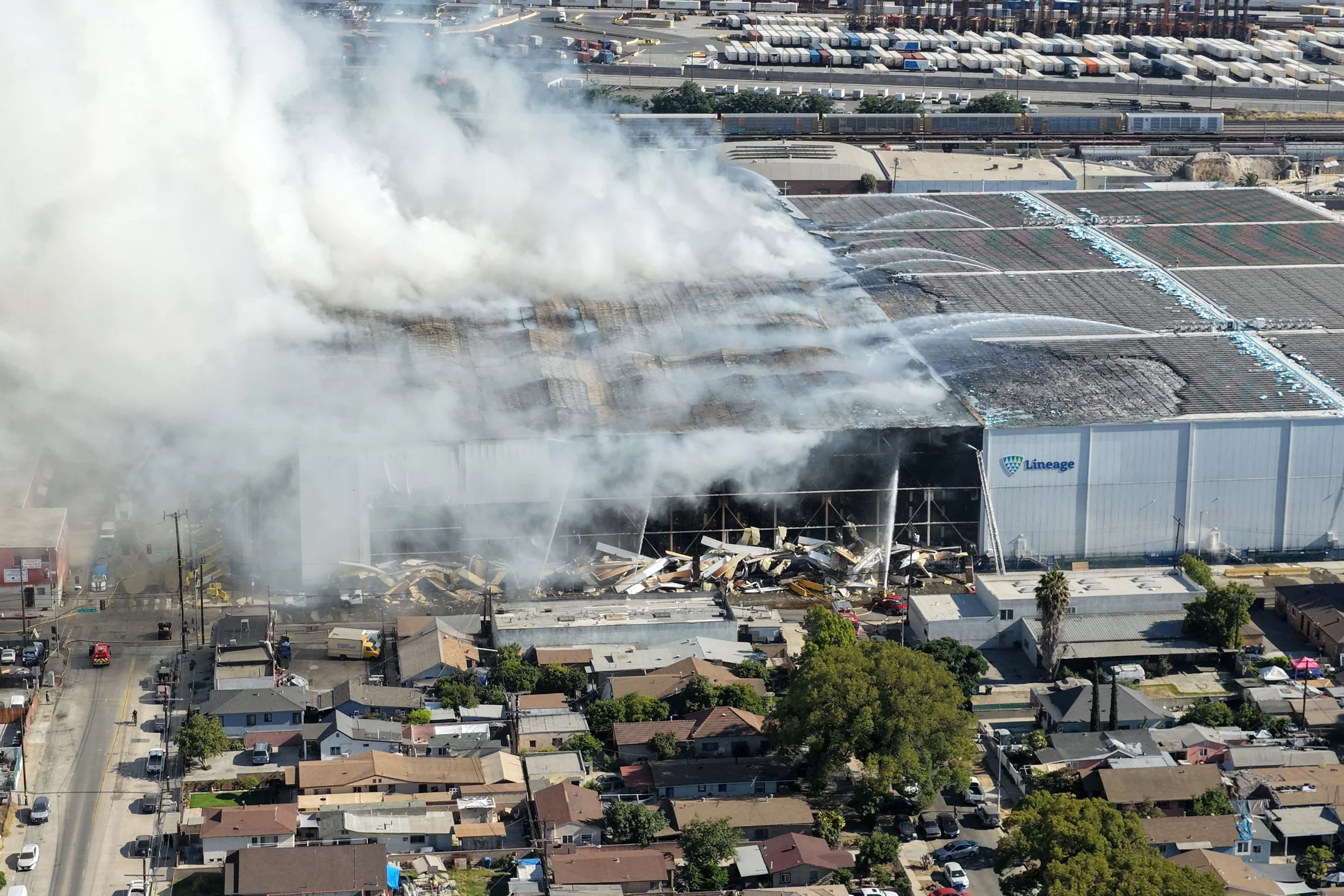
Stormwater runoff is the largest source of pollution in Los Angeles, yet it remains underregulated. We work to strengthen permits and close regulatory gaps so that pollution from streets, commercial areas, schools, and construction sites is stopped before it reaches our waterways.
-
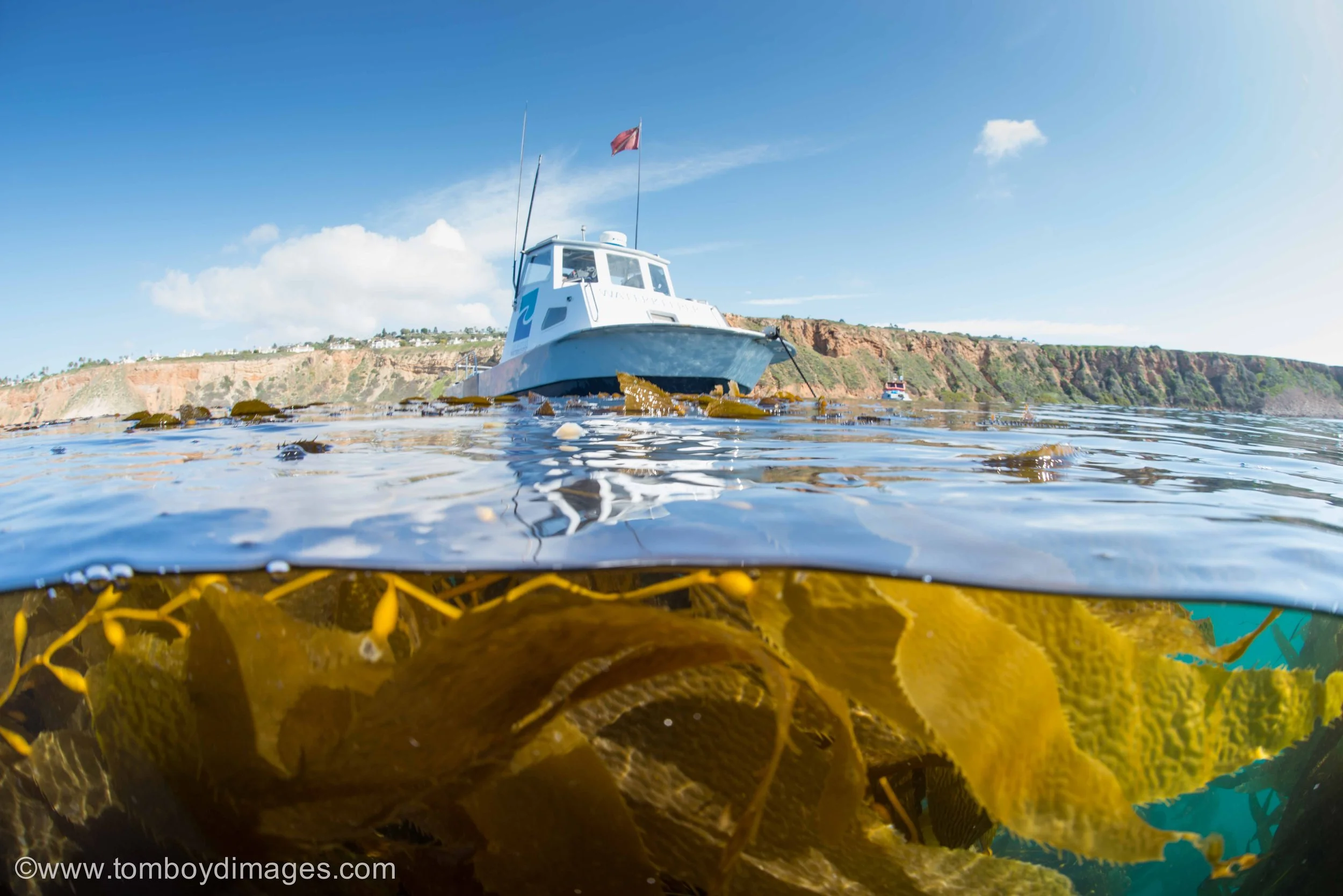
We regularly monitor LA’s coastline and the waterways that flow into it. By testing for bacterial contamination and emerging contaminants like PFAS (forever chemicals), tracking pollution in real time, we help identify chronic issues and push for faster, more transparent alert systems to better safeguard public health.
-
No one wants to go to court. We use litigation as a last resort, when other efforts to resolve violations of our clean water laws have failed. But when it is necessary, we make sure it leads to something positive. Through Supplemental Environmental Projects (SEPs), settlement funds are redirected into community projects that restore waterways and support neighborhoods most impacted by pollution.
-
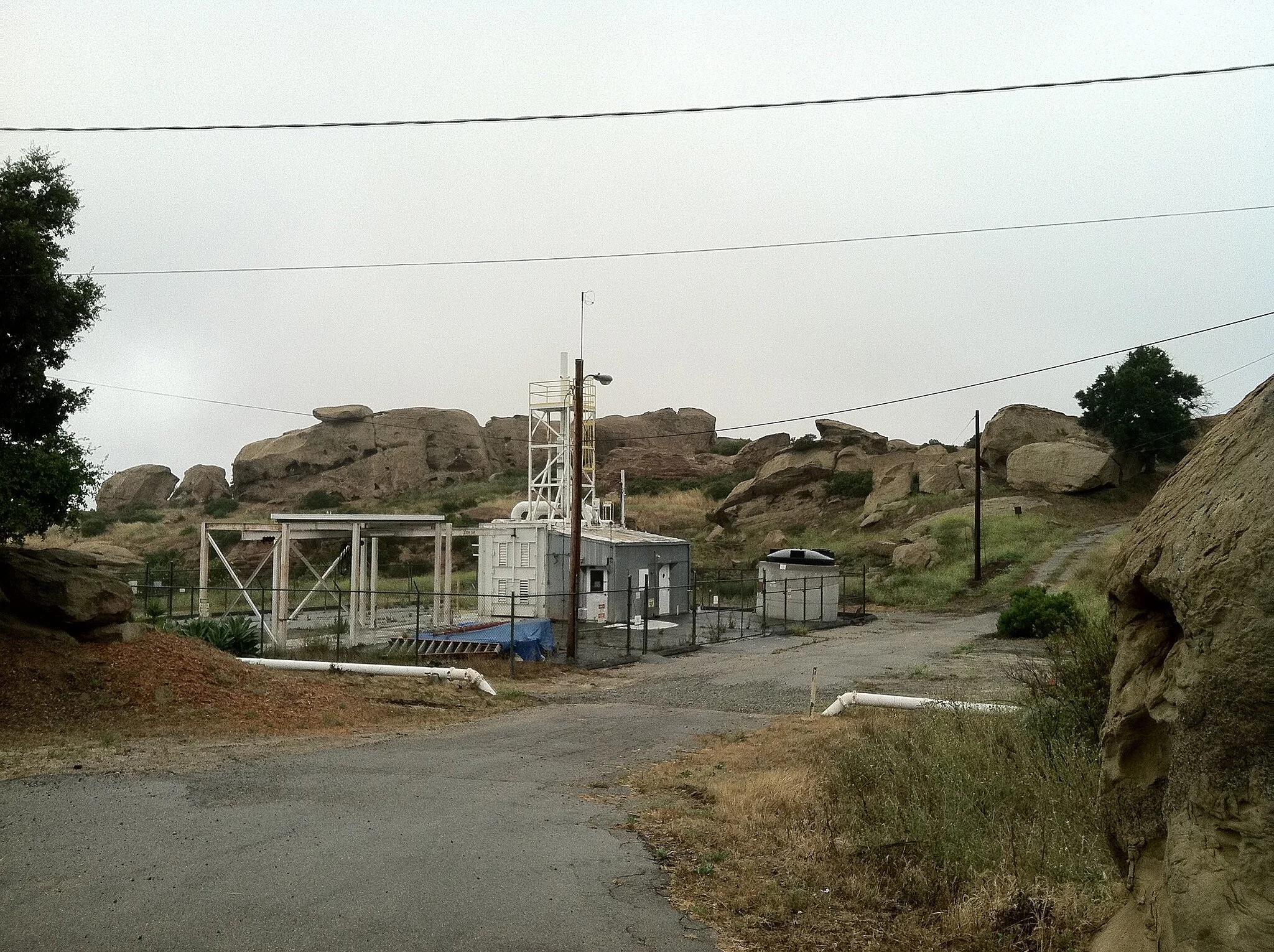
Pollutants like PFAS (forever chemicals) and microplastics are increasingly showing up in our waterways, with serious long-term health impacts. We support monitoring, research, and policy efforts to better understand these threats and stop them from entering our water in the first place.