Securing a Climate-Resilient Water Supply
4R
Overview
Los Angeles has enough water to build a more secure future — but too much of it is wasted, polluted, or underused. For more than a century, the region has drawn heavily from distant sources such as the Colorado River and Owens Valley, often at significant cost to the ecosystems and communities that depend on them.
That system helped build modern Los Angeles, but climate change is making it harder to sustain. Drought, wildfire, shrinking water supplies, and more intense storms are putting greater pressure on aging infrastructure and local communities.
LA Waterkeeper has long championed a more integrated approach. Our “4R” strategy — REUSING urban and stormwater runoff, RECYCLING purified wastewater, REDUCING water waste, and RESTORING contaminated groundwater — can help Los Angeles make better use of the water already here and build a more local, reliable, and affordable water supply.
Nearly
two-thirds
of Los Angeles’ water comes from hundreds of miles away

The Challenge
Every day, Los Angeles sends
600 million gallons
of treated wastewater into the ocean - water we could be recycling to help fight drought and store for future use
Moving and treating water accounts for about
19%
of California’s overall electricity use
Solutions
Los Angeles needs a different approach to water, one that treats it as a precious resource, not something to use once and throw away.
At LA Waterkeeper, we advocate for a 4R approach to water management: reuse stormwater, recycle wastewater, reduce water waste, and restore groundwater.
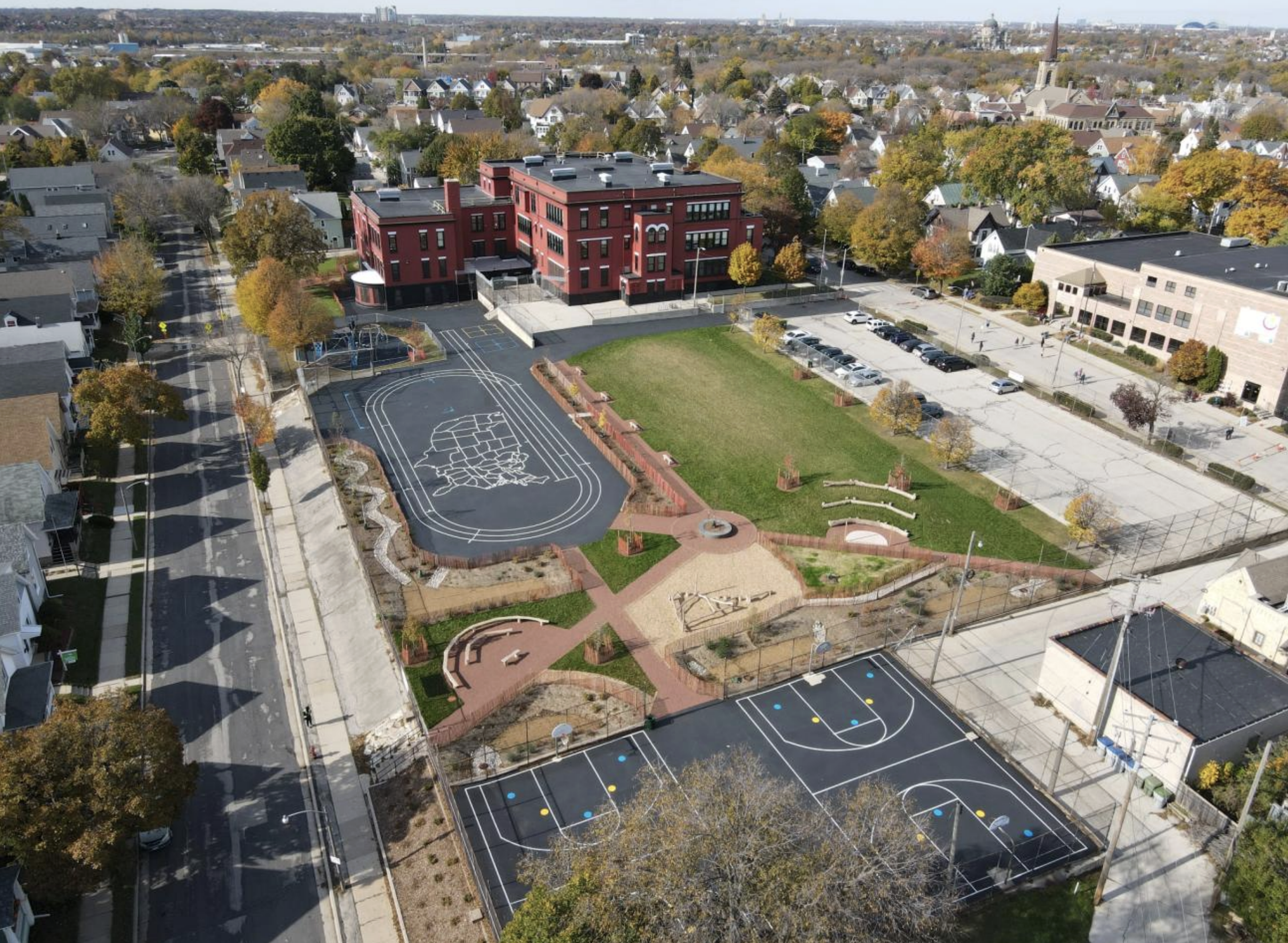
Reusing Urban & Stormwater Runoff
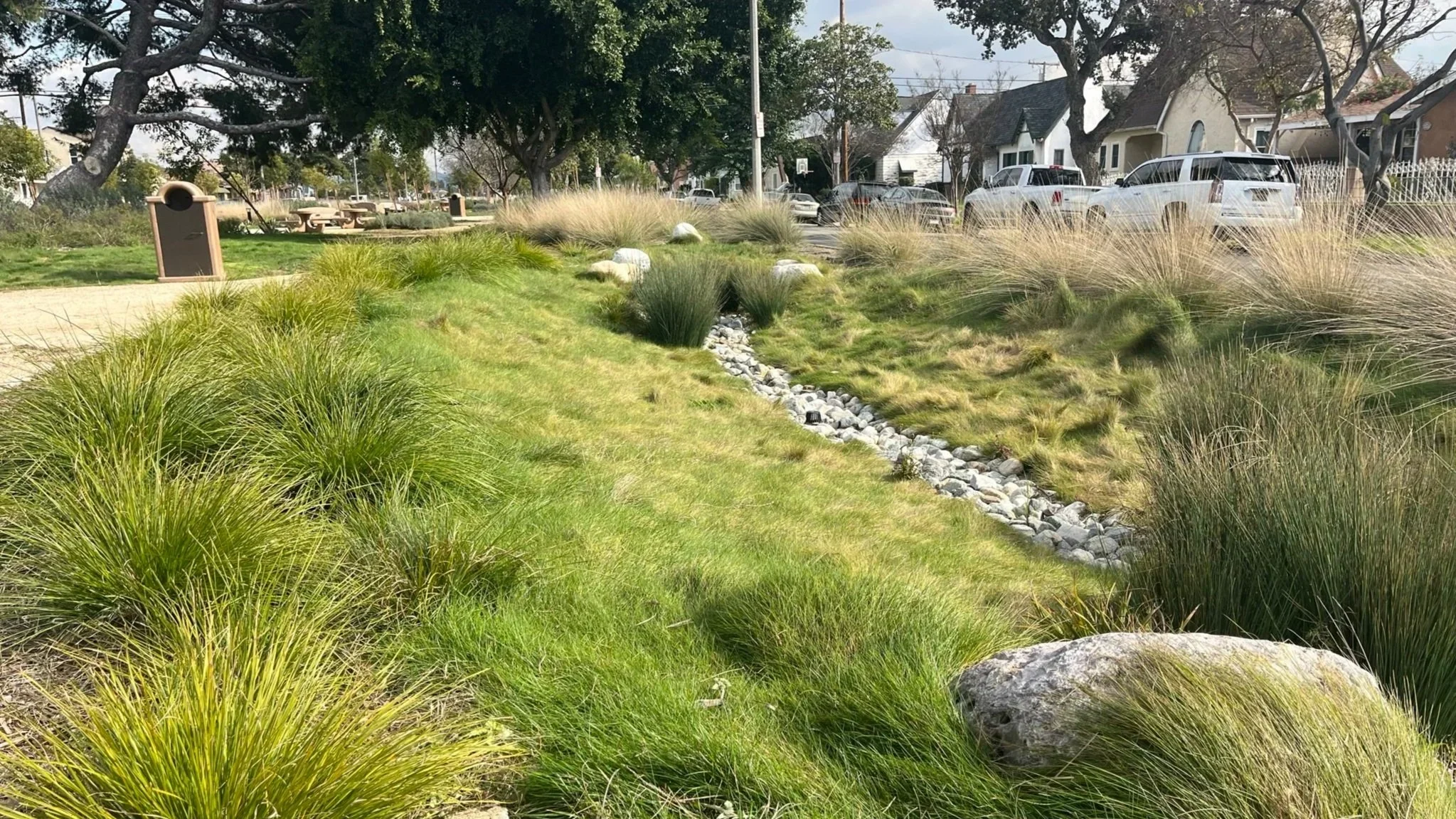
Stormwater is Los Angeles’ largest source of water pollution, but it is also one of our greatest opportunities to strengthen local water supplies. Instead of allowing rainwater to carry pollution into our waterways, we can capture, clean, and store it to recharge groundwater and reduce reliance on imported water.
Reducing Water Waste
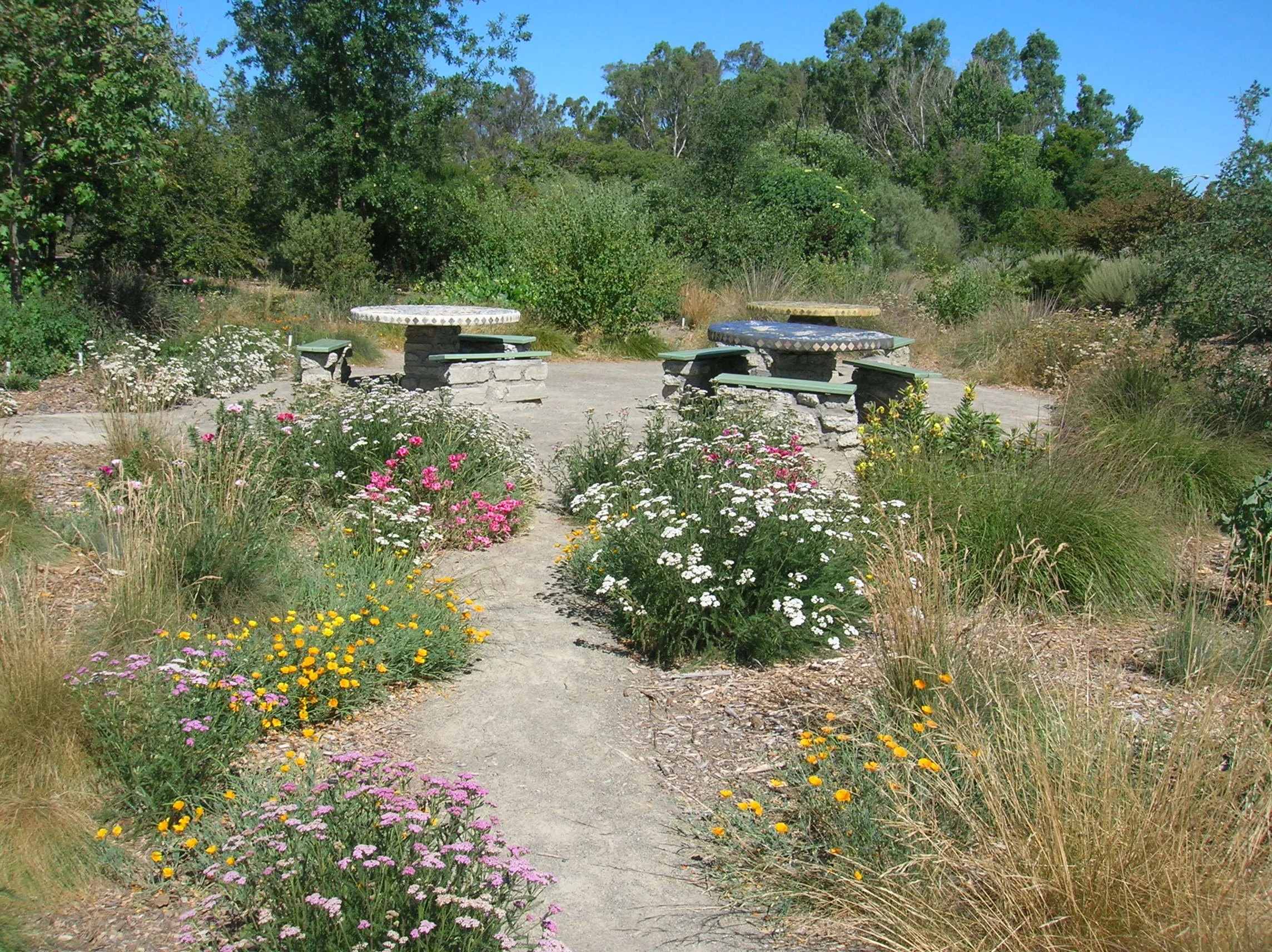
Reducing water waste is one of the fastest and most affordable ways to strengthen Los Angeles’ water supply. Using less water lowers costs, saves energy, and reduces the need for environmentally harmful imports and new infrastructure.
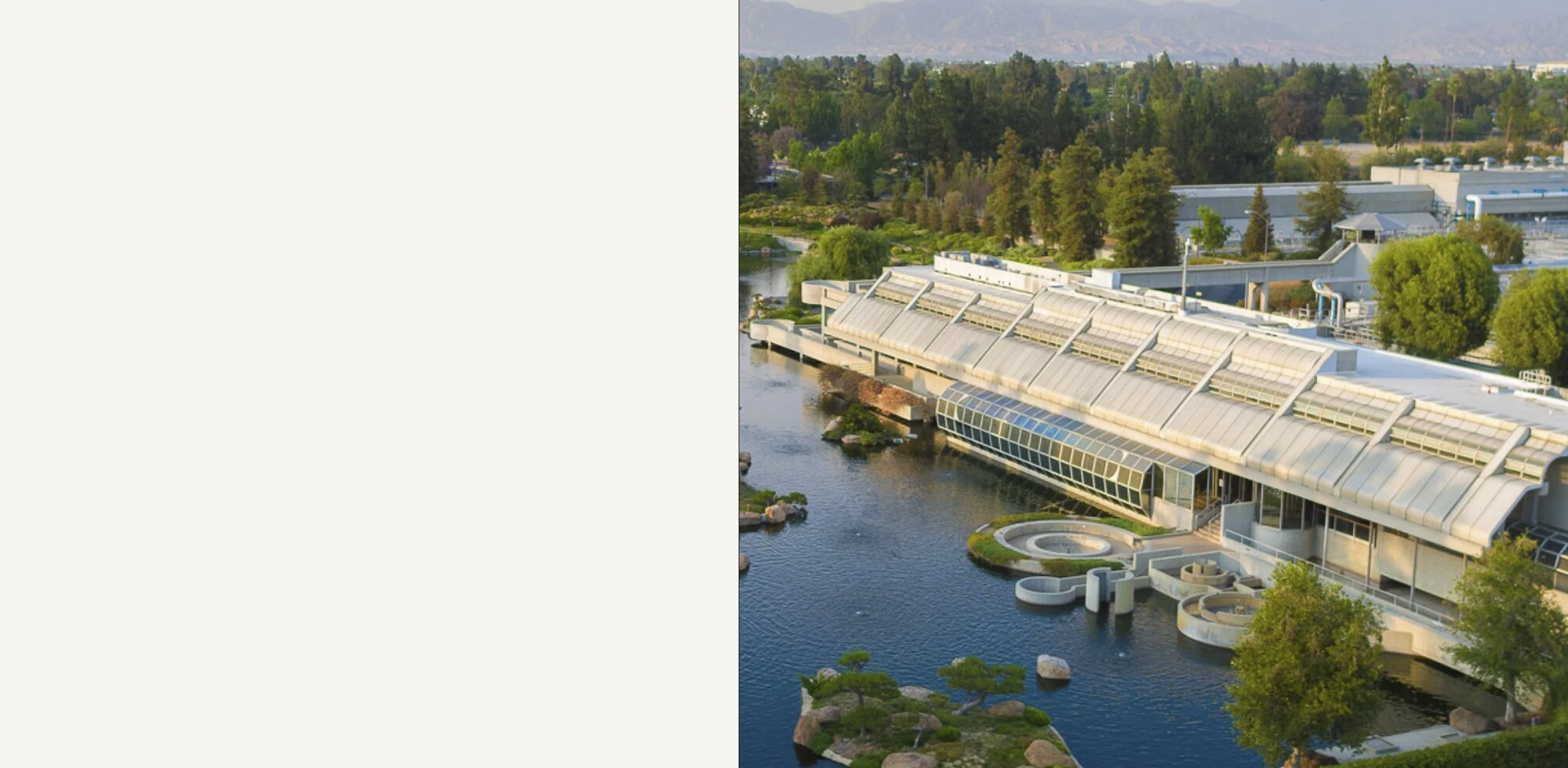
Recycling Wastewater
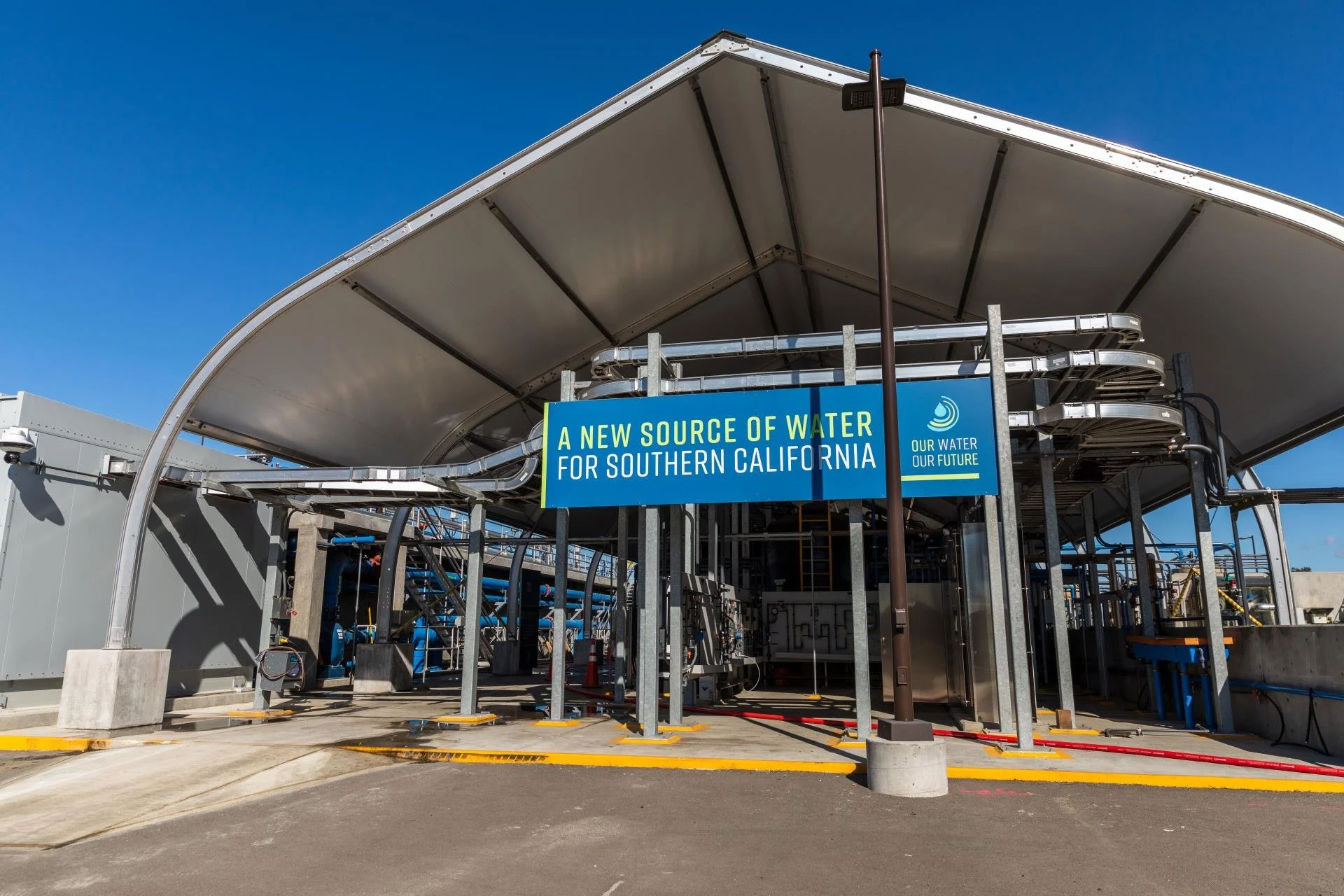
Los Angeles treats nearly 800 million gallons of wastewater each day, yet much of it is still discharged into the ocean. Advanced purification can turn that wastewater into a safe, reliable local supply for groundwater recharge, drinking water, and other essential uses.

Restoring Groundwater
Groundwater is a major source of drinking water in Southern Los Angeles County, but contamination has left many wells unusable. Cleaning up these basins and expanding groundwater recharge can restore lost supply, increase local storage, and improve access to safe drinking water.