PFAS & OTHER EMERGING CONTAMINANTS

Overview
PFAS, microplastics, and other emerging contaminants are creating new water-quality challenges across Los Angeles. Many of these pollutants do not easily break down, can be hard to detect or remove, and may build up in people, wildlife, and the environment. At the same time, laws and water-quality protections have not always kept pace with what we are learning about these contaminants and their risks.
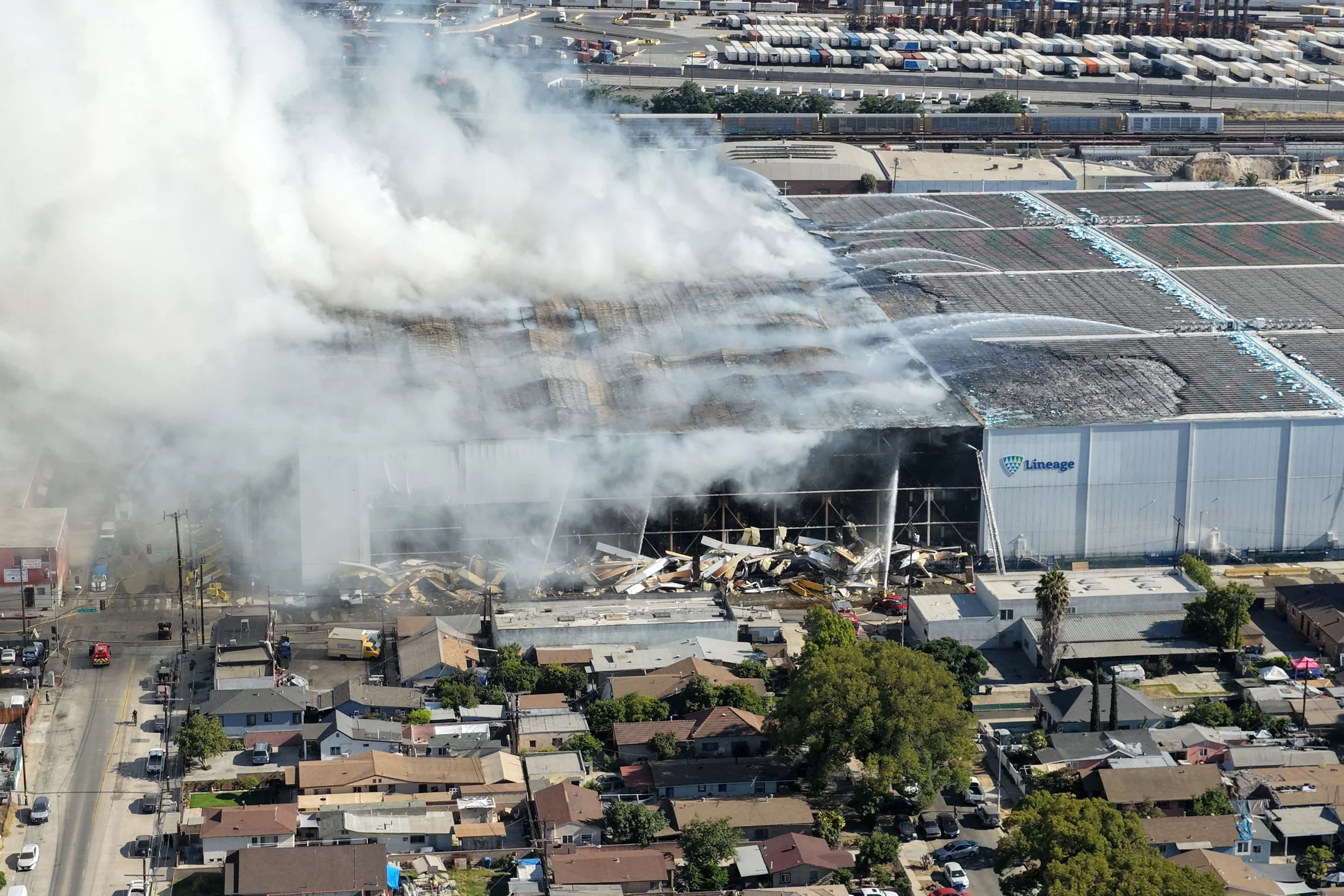
New technologies, industries, and materials are also creating new sources of pollution. Data centers and cooling systems, fire suppressants, battery storage, artificial turf, plastics, and other modern products and facilities can release chemicals into waterways through everyday use, runoff, disposal, or accidents.
Addressing these risks will require stronger testing and a regulatory framework capable of responding to new pollution threats before they become widespread.
The Challenge
Thousands
of PFAS chemicals exist, and many break down extremely slowly, allowing them to build up in people, wildlife, and the environment over time

~25,000 chemicals
have been flagged as possible drinking-water contaminants, but only a small number are actually regulated on a federal level
AI-driven data center growth is
creating new water-quality risks
that existing pollution rules may not yet fully address
-
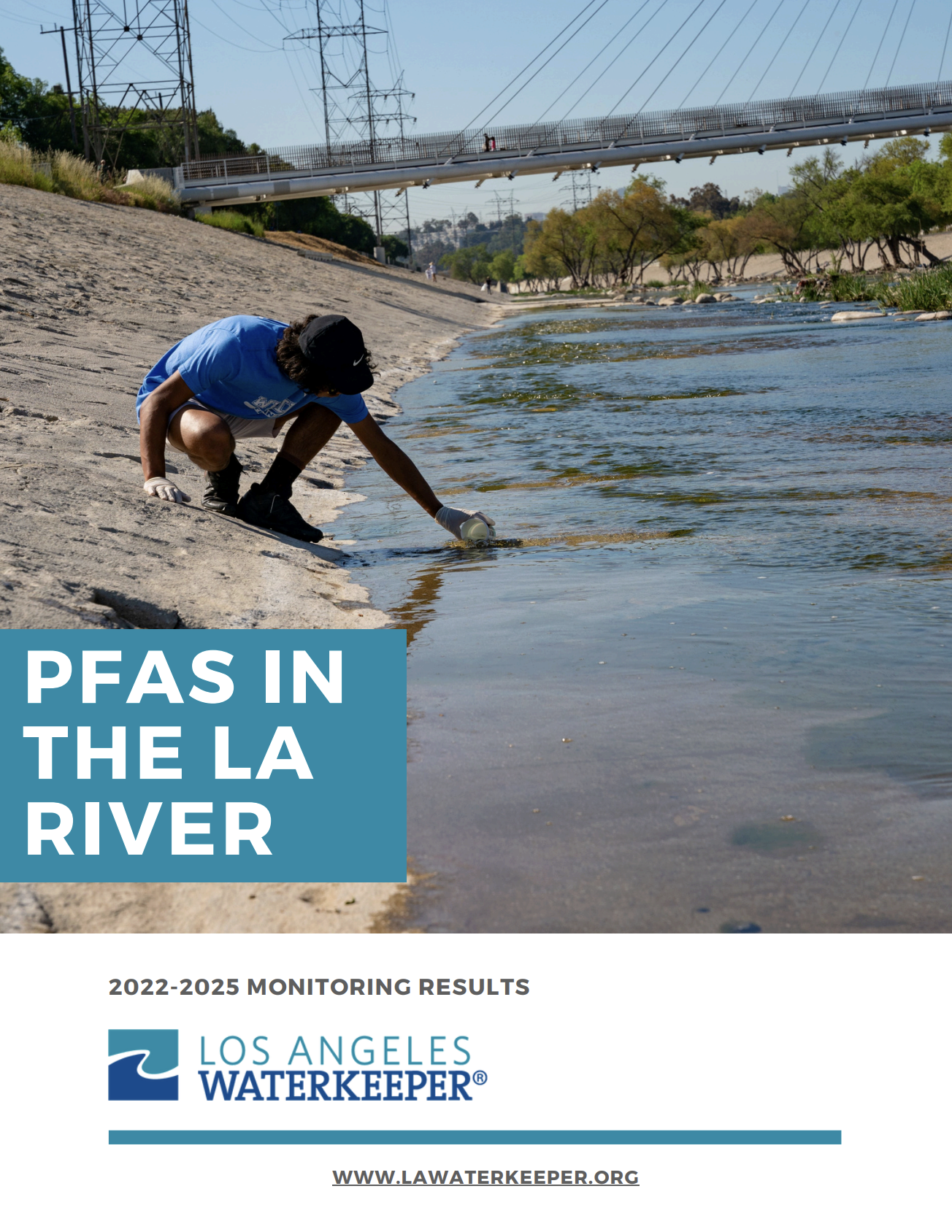
We monitor 12 sites along the Los Angeles River for PFAS and use the findings to inform regulators and water managers, including the Regional Water Board, LA Sanitation, and the U.S. Army Corps of Engineers.
This monitoring can help identify where contamination is occurring and provide agencies with better information to guide future protections and mitigation efforts.
-
Artificial turf is another potential pathway for PFAS and other chemicals of concern. In partnership with the Southern California Stop Artificial Turf Task Force, we are developing a campaign focused on the environmental and water-quality impacts associated with artificial turf.
By addressing potential sources of contamination upstream, we can help prevent persistent pollutants from reaching waterways in the first place.
-
As AI-driven data centers expand across Los Angeles, we are working to ensure their water-quality impacts are understood and addressed before they become entrenched.